Conference Keynote Speaker Communication That Works
A ballroom can be full, the stage can look polished, and the speaker can have impressive credentials – yet the room can still go quiet in the wrong way. Attendees check email. Ideas land without sticking. The event ends with applause but no change in behavior. Effective conference keynote speaker communication prevents that outcome by making the message clear, relevant, active, and useful after people return to work.
For event planners, HR leaders, and executives, that distinction matters. A keynote is not simply a spot on the agenda to fill. It is a chance to give people a shared language for handling pressure, communicating clearly, and moving forward together. The best sessions energize the room while giving people something practical to use in their next meeting, customer conversation, or leadership challenge.
What Conference Keynote Speaker Communication Must Accomplish
A conference audience is not a classroom. People arrive with competing priorities, different levels of experience, and varying degrees of enthusiasm about being there. Some are looking for leadership ideas. Others want help with communication, teamwork, sales, or change. A keynote speaker has limited time to earn attention and make the material matter across those different needs.
That requires more than strong presentation skills. It requires a message built around the audience’s real working environment. What conversations are getting harder? Where do teams lose momentum? What happens when a client changes direction, a leader has to make a call with incomplete information, or a team needs an answer before the meeting ends?
When a speaker addresses those moments directly, the keynote becomes more than an inspiring talk. It becomes a practical reset for how people show up with one another.
Start With the Business Challenge, Not the Speaker Bio
Credentials establish trust, but they should not carry the whole presentation. Attendees quickly decide whether a speaker understands their world. The strongest opening names a recognizable challenge with enough specificity that people think, “That happened to us last week.”
For example, a leadership summit may need people to communicate with more confidence during change. A sales conference may need teams to listen for what customers are actually saying instead of rushing into a pitch. An operations offsite may need departments to solve problems faster without turning every surprise into a blame session.
Those are different audiences, and they should not receive the same generic keynote. The core capabilities may overlap, but the examples, language, and activities must reflect the event’s purpose. Customization takes more preparation, but it also produces a message participants can recognize and remember.
Give People a Reason to Participate
Passive audiences retain less. They may enjoy a compelling story, but enjoyment alone does not create a better workplace habit. Participation changes the equation because it asks people to notice their own communication patterns in real time.
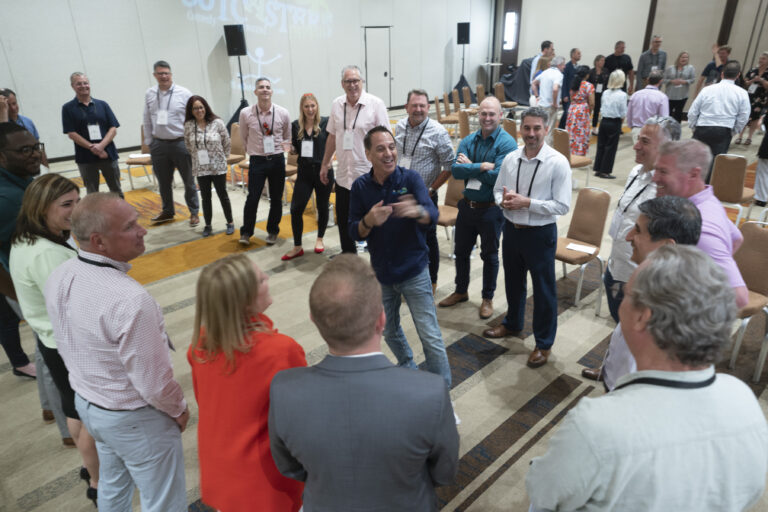
That does not mean forcing people into uncomfortable performance exercises or filling the session with activity for activity’s sake. It means creating low-risk, purposeful moments where attendees can practice a behavior they need at work: listening fully, responding constructively, speaking with clarity, or collaborating when the answer is not obvious.
A well-designed interactive keynote gives people quick wins. They experience what stronger communication feels like, rather than being told they should communicate better. That experience makes the learning more memorable and gives managers a common reference point after the event.
Build a Message That Holds Up Under Pressure
A memorable keynote can be lively without being lightweight. The energy in the room should support the business objective, not distract from it. Humor can lower defenses and help people connect, but the point is always stronger communication, more capable leadership, and better decisions when the pressure rises.
The message needs a clear through line. Attendees should be able to answer three questions by the end of the session: What challenge are we addressing? What behavior needs to change? What can I do differently the next time that challenge appears?
If those answers are buried under too many concepts, the audience may leave motivated but uncertain. Fewer ideas, reinforced through relevant stories and practice, usually outperform a long list of tips.
Use Stories That Create Recognition
Stories work when they create recognition, not when they exist to showcase the speaker. A story about a difficult client interaction, an unexpected presentation change, or a team disagreement can make an abstract communication lesson immediate.
The useful story has a clear tension. Something changed. The first response was not enough. A better response required listening, adaptability, confidence, or collaborative problem solving. The audience should be able to connect the situation to their own work, whether they manage people, serve customers, lead projects, or influence senior stakeholders.
There is a trade-off here. Highly polished stories can be entertaining, but overly scripted examples may feel distant from the messy reality of work. Honest, well-framed stories often create more trust because they acknowledge that communication is difficult precisely when the stakes are real.
Make the Takeaways Easy to Carry Forward
The phrase “actionable takeaways” gets used so often that it can lose meaning. In a strong keynote, a takeaway is not a clever line people photograph and forget. It is a clear behavior people can use in a specific situation.
Consider the difference between telling leaders to “be more adaptable” and helping them recognize how to stay composed when a conversation takes an unexpected turn. One is a slogan. The other gives them a usable response in a high-pressure moment.
The takeaway should also fit the audience’s authority level. Individual contributors may need tools for contributing with confidence. Managers may need ways to keep a team focused when plans change. Executives may need to communicate direction without pretending to have every answer. The communication challenge changes, so the application should change too.
The Speaker and Event Team Need a Shared Plan
Even an excellent keynote can lose impact when it is disconnected from the rest of the conference. The event planner, leadership team, and speaker should agree on the intended outcome before the speaker starts building the session.
That conversation should cover the audience makeup, current business priorities, recent changes, communication pain points, and the tone of the event. It should also identify what happens after the keynote. Will managers discuss the ideas with their teams? Will the organization reinforce one or two behaviors in future meetings? Is the keynote opening a broader leadership or development program?
A keynote can stand alone, but reinforcement makes it more valuable. When leaders refer back to a shared experience and ask teams to apply it, the session becomes part of the organization’s operating rhythm instead of a one-time event highlight.
This is where an experienced business educator makes a difference. The goal is not to entertain a conference room for an hour. The goal is to create a focused experience that supports the organization’s larger communication and performance goals.
Why Experiential Keynotes Create More Lasting Change
People rarely change a communication habit because they heard a perfect slide. They change when they understand the cost of the old habit, practice a better response, and see how that response improves the interaction.
An experiential format is particularly valuable for teams facing ambiguity, customer pressure, cross-functional friction, or rapid change. These are not problems solved by memorizing a script. They require people to listen, think clearly, and respond productively in the moment.
Influential Interactions training designs business-focused keynote experiences around that reality. The work is engaging, but it stays grounded in the workplace: clearer conversations, stronger collaboration, more confidence, and leaders who can remain composed when conditions shift.
The right keynote does not ask attendees to become different people by the end of the day. It gives them a more useful way to handle the next moment that matters. When the next meeting gets tense, the customer changes course, or the team needs an answer now, that is when the keynote’s message earns its place on the agenda.

As founder of The Outcasters Improv Training Center and YourImprovCoach.com, Joe Hammer has spent years helping forward-thinking organizations build real skills in listening, collaboration, and adaptability under pressure through interactive, improv-based training. His engagements often open with a high-energy presentation on using principles of improv in effective business communication, a great way to set the tone at a conference, offsite, or leadership summit, before teams move into hands-on training.