Improv Facilitation vs Comedy Entertainment
The room can be full, the laughter can be genuine, and the event can still leave your team exactly where it started. That is the decision behind improv facilitation vs comedy entertainment. Both can create energy. Both can make people more comfortable. But only one is designed to help people communicate, think, and lead more effectively once they return to work.
For an event planner, HR leader, or department head, the distinction matters. You may be planning a conference session, leadership retreat, sales kickoff, or team-building experience. You want people engaged, not staring at slides. You also need the investment to produce more than a pleasant memory.
Comedy entertainment gives people a break. Improv facilitation gives them practice. Some comedians are attempting to enter the corporate training arena – especially in the field of improv. Avoid them.
Improv Facilitation vs Comedy Entertainment: The Core Difference
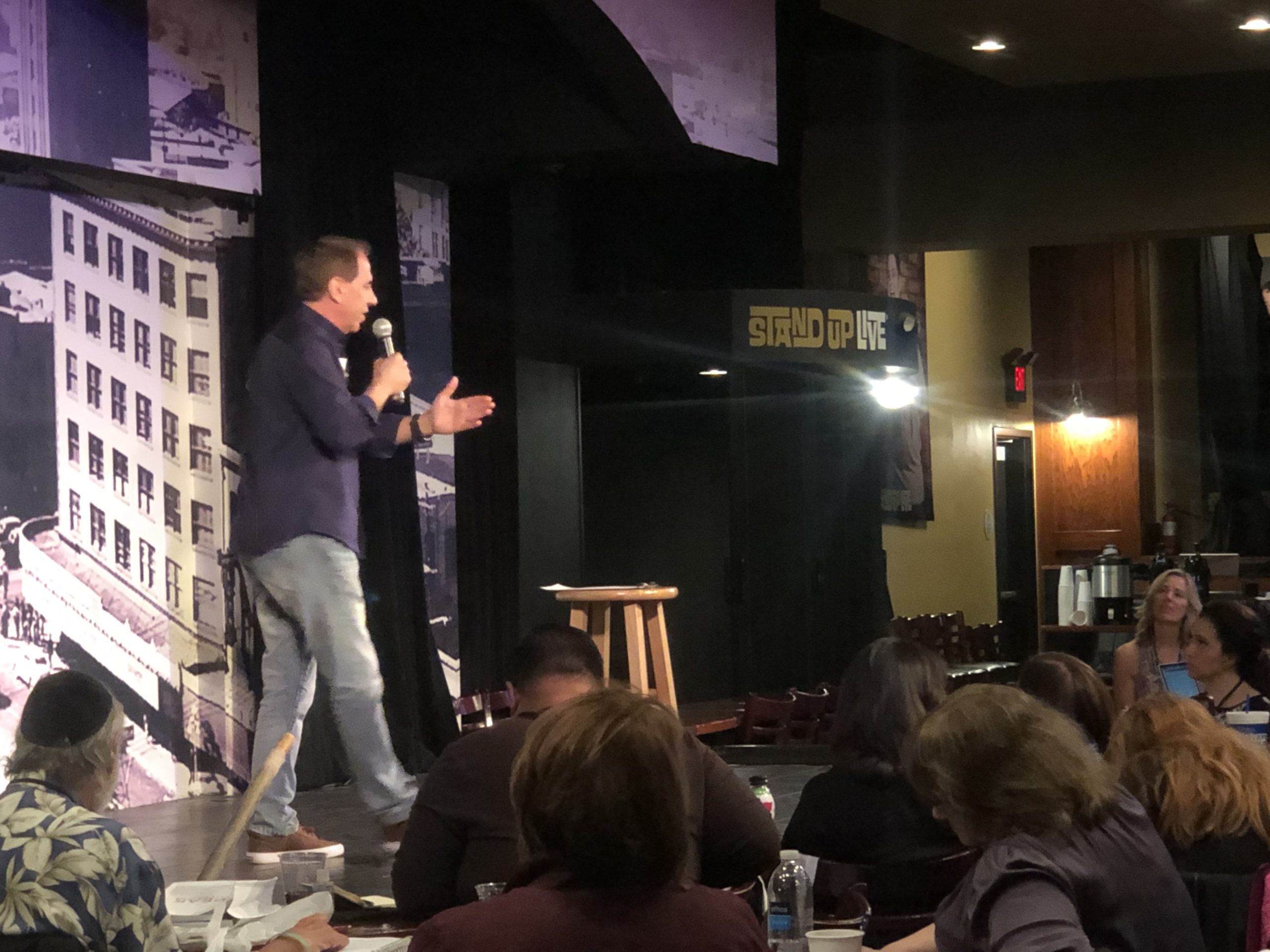
Comedy entertainment is built around an audience. Its job is to create a shared experience through laughter, surprise, and skilled performance. A talented comedy improv group may involve volunteers, invite suggestions, and tailor moments to the room. It can be a terrific choice for an awards dinner, reception, celebration, or conference evening when the goal is to relax and entertain attendees.
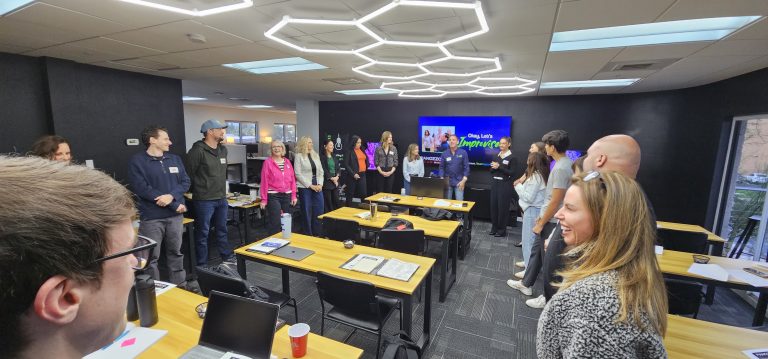
Improv facilitation is built around participants. The facilitator uses interactive exercises, guided reflection, and business-relevant practices to improve how people respond to one another. The laughter is real, but it supports the work rather than replacing it.
That difference changes what happens after the session. With entertainment, attendees usually remember the funniest moment or the bold colleague who volunteered. With a well-designed facilitation program, they also remember what they noticed about their listening habits, how quickly they made assumptions, where communication broke down, and what helped the group move forward.
Neither option is automatically better. The right choice depends on the outcome you need.
When Comedy Entertainment Is the Right Call
There is nothing wrong with hiring entertainment for a business event. In fact, it can be the smartest choice when the purpose is straightforward: reward people, create a fun shared moment, energize a social gathering, or give attendees a mental reset after a long day of meetings.
Comedy works especially well when people are not expected to leave with a new workplace skill. A convention dinner, holiday event, client appreciation program, or gala may benefit more from a polished performance than a training session. The performers carry the responsibility for the experience. Guests can simply enjoy it.
That is a meaningful advantage. Not every event needs to become a workshop. If your audience has spent eight hours in strategy sessions, adding an upbeat entertainment segment may be exactly what the agenda needs.
The limitation is equally clear: entertainment rarely creates a reliable bridge to daily behavior. A team might laugh together on Thursday and still interrupt one another, avoid difficult conversations, or freeze when a customer changes direction on Friday morning.
What Improv Facilitation Is Designed to Change
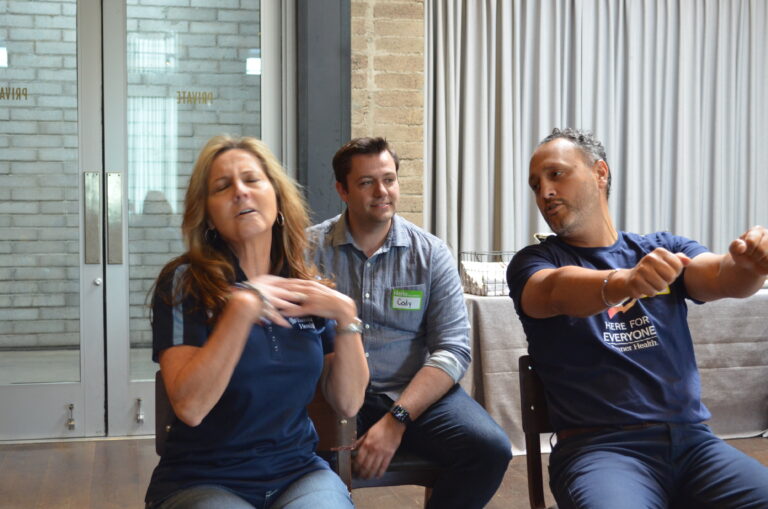
Business-focused improv facilitation uses participation to make communication visible. People do not just hear that active listening matters. They experience the difference between listening for their turn to talk and listening closely enough to build a useful response.
They do not just hear that adaptability is valuable. They practice staying composed when information changes, priorities compete, or a conversation takes an unexpected turn. They do not just discuss collaboration in broad terms. They see how quickly a group can either support an idea, stall it, or unintentionally shut it down.
This is why facilitated improv can be valuable for leaders, client-facing teams, sales professionals, project teams, and emerging managers. The setting is low-risk, but the behaviors are not imaginary. The same habits that show up during an exercise often show up in presentations, planning meetings, stakeholder conversations, and tense decision points.
A strong facilitator makes that connection explicit. The session is not about teaching employees to perform comedy. It is about helping professionals build confidence and better judgment in unscripted business interactions.
The Audience Role Changes Everything
The most practical way to compare these options is to ask one question: who is doing the work?
In comedy entertainment, the performers do most of the work. Attendees react, laugh, and occasionally participate. The success of the program rests on timing, talent, audience chemistry, and production value.
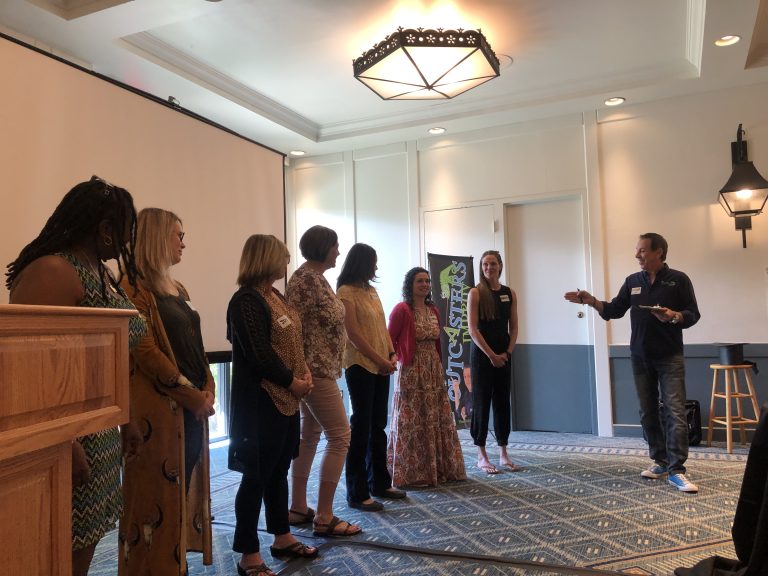
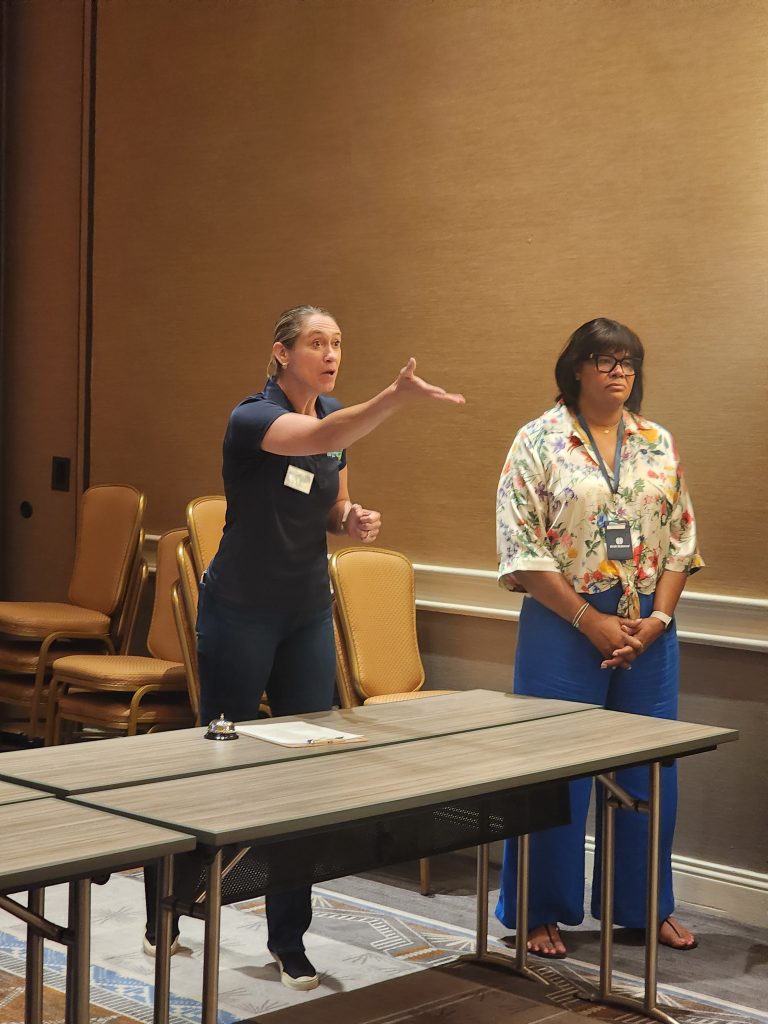
In improv facilitation, participants do the work. The facilitator creates structure, establishes psychological safety, guides the pace, and connects each activity to a business outcome. People are asked to contribute, pay attention, make choices, and reflect on what happened.
That participation can feel more demanding than watching a show, which is precisely why it can be more memorable. Adults change behavior through repetition, feedback, and relevant experience, not just through passive exposure to a good idea.
It also means facilitation must be handled well. A poorly led interactive session can feel forced, vague, or disconnected from the realities of the workplace. The facilitator needs enough business experience to understand the pressures participants face and enough skill to keep the room engaged without putting anyone on the spot for the sake of a laugh.
Look Past Energy and Ask About Outcomes
Many buyers say they want an “engaging” event. That is a good starting point, but it is not a complete objective. Engagement is a delivery method. The real question is what you want people to do differently afterward.
If your desired outcome is stronger presentation ability, look for a program that helps professionals organize thoughts quickly, speak with confidence, and respond effectively when questions or objections shift the conversation. If the need is leadership development, look for practice that strengthens presence, communication under pressure, and the ability to guide a group through uncertainty.
For cross-functional teams, the focus may be clearer listening, more productive idea-sharing, or faster collaborative problem solving. For sales and service teams, it may be responsiveness, credibility, and more natural customer conversations.
A comedy act can support morale. A facilitated program can support morale while also giving people a repeatable way to improve how they work together. The distinction is not whether one format is fun. It is whether fun is the finish line or the vehicle.
How to Choose the Right Format for Your Event
Start with the moment your event needs to create. If you are closing a conference day and want attendees to leave smiling, entertainment may be the right fit. If you are opening a leadership offsite and want people ready to participate openly, a facilitation session can create momentum while establishing a more collaborative tone.
Next, consider the follow-through. A training experience has greater value when leaders reinforce it after the event. That does not require a complicated initiative. It can be as practical as managers using shared language in meetings, asking better questions during debriefs, or giving teams room to practice a new communication behavior.
Finally, assess your audience. Some groups are eager for active learning. Others arrive skeptical because they have sat through generic team-building that felt disconnected from their jobs. Skepticism is not a reason to avoid facilitation. It is a reason to choose a business-focused facilitator who can explain the purpose, earn trust quickly, and keep every activity relevant.
The Best Programs Respect the Business Context
Corporate audiences do not need to be told that work can be unpredictable. They live it. Priorities change, customer expectations evolve, technology fails, budgets tighten, and senior leaders want answers before every detail is available.
The value of an interactive program comes from helping people respond more constructively in those moments. That requires more than high energy. It requires thoughtful design around the organization’s goals, the participants’ roles, and the situations that repeatedly challenge the team.
At Your Improv Coach, Joe Hammer’s INFLUENTIAL INTERACTIONS programs are designed for that purpose: practical, engaging sessions that use improv-based learning to strengthen real business communication. The work is customized for workshops, offsites, and conference presentations, with the focus kept squarely on what participants need to do better together.
Choose the Experience That Matches the Need
Comedy entertainment can make an event more enjoyable. Improv facilitation can make people more capable. The best decision comes from being honest about what your agenda is asking the session to accomplish.
When the goal is celebration, give people permission to enjoy the show. When the goal is better communication, stronger leadership presence, and more confident responses under pressure, give people a chance to practice. A well-chosen experience does more than fill a time slot. It gives your team a better next move when the conversation matters.

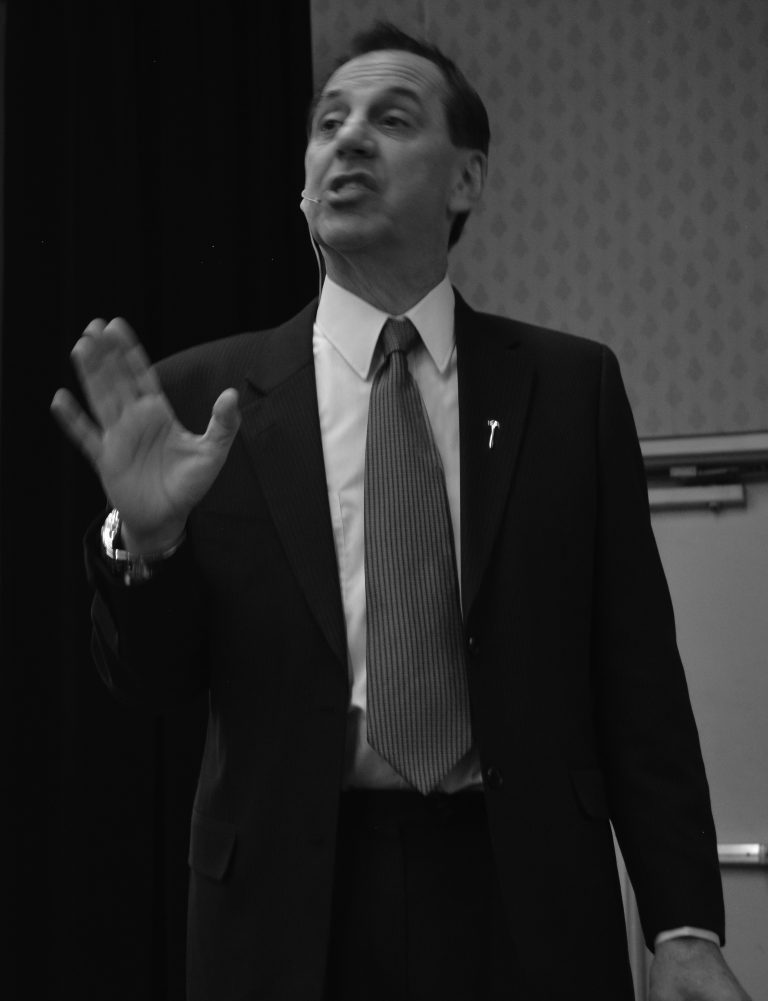
As founder of The Outcasters Improv Training Center and YourImprovCoach.com, Joe Hammer has spent years helping forward-thinking organizations build real skills in listening, collaboration, and adaptability under pressure through interactive, improv-based training. His engagements often open with a high-energy presentation on using principles of improv in effective business communication, a great way to set the tone at a conference, offsite, or leadership summit, before teams move into hands-on training.