How to Build Workplace Trust That Holds Under Pressure
A project changes direction on Thursday afternoon. A customer wants a different answer. A leader has to deliver difficult feedback without losing the room. These are the moments that reveal whether a team merely gets along or truly works together. Knowing how to build workplace trust is not about creating a friendlier break room. It is about helping people communicate honestly, respond productively, and stay connected when the pressure is real.
Trust is often treated as a cultural extra – something nice to have once the business results are handled. In practice, it drives the results. Teams with trust raise concerns earlier, ask better questions, recover faster from mistakes, and make decisions without waiting for endless approval. They spend less energy protecting themselves and more energy solving the problem in front of them.
For leaders, HR teams, and learning professionals, the challenge is making trust visible in daily behavior. Good intentions do not carry much weight when meetings are tense, deadlines are tight, or a senior voice dominates the conversation. Trust grows when people repeatedly see that the workplace is safe enough for candor and accountable enough for follow-through.
How to Build Workplace Trust Through Daily Actions
Workplace trust is built in small moments long before it is tested in a major crisis. A manager who says, “I’ll get back to you tomorrow,” and does it sends a stronger message than a polished values statement. A teammate who admits, “I missed that detail. Here’s how I’m correcting it,” makes it easier for others to be honest too.
Start with consistency. People do not need leaders to be perfect. They need leaders to be understandable. If priorities change, explain why. If a decision has already been made, say so directly rather than inviting input that will not affect the outcome. If you cannot share information yet, be clear about that boundary instead of filling the silence with vague assurances.
Consistency also means applying standards evenly. Nothing drains trust faster than a workplace where some people can interrupt, miss commitments, or ignore process while others are held tightly accountable. Fair does not always mean identical. Different roles may require different flexibility. But people should be able to understand the expectations and see that respect is not reserved for the loudest person in the room.
Make expectations discussable
Many workplace conflicts are not personality conflicts at all. They are expectation conflicts. One person assumes a quick message means immediate action; another sees it as a request for later. A department believes it owns the final decision; another believes it is simply being consulted. Both leave frustrated, and both may conclude the other team is unreliable.
Put the operating agreements on the table. Clarify who owns the decision, what a good handoff looks like, how quickly responses are expected, and what should happen when plans change. Then give people permission to challenge unclear expectations before they become missed expectations.
This is especially valuable for hybrid teams, cross-functional groups, and organizations moving through growth or restructuring. More moving parts create more opportunities for assumptions. Clear agreements reduce that friction without turning every interaction into a rulebook.
Listen for What Is Not Being Said
Trust is not created by asking for feedback once a year. It is created when people believe speaking up will lead to a useful response. That requires active listening, not just open-door language.
When an employee raises a concern, resist the rush to explain, defend, or solve. Ask a question that shows you heard the issue: “What impact is this having on your work?” or “What do you think we may be missing?” The goal is not to agree with every concern. The goal is to make it clear that thoughtful input receives thoughtful attention.
Leaders set the pace here. If a manager reacts to bad news with blame, the next piece of bad news will arrive later and with less detail. If a leader responds with curiosity and accountability, people learn that raising a flag is part of doing good work.
This does not mean every conversation must be soft. Direct feedback can build trust when it is specific, timely, and connected to a shared standard. “This client update went out without the approved numbers, and it created confusion” is more useful than “You need to be more careful.” Address the behavior, describe the impact, and make the next step clear.
Create Practice, Not Just Conversation
Trust improves when teams develop confidence in their ability to handle live interaction. A meeting about communication can create awareness. Practice is what changes the response people have when a conversation takes an unexpected turn.
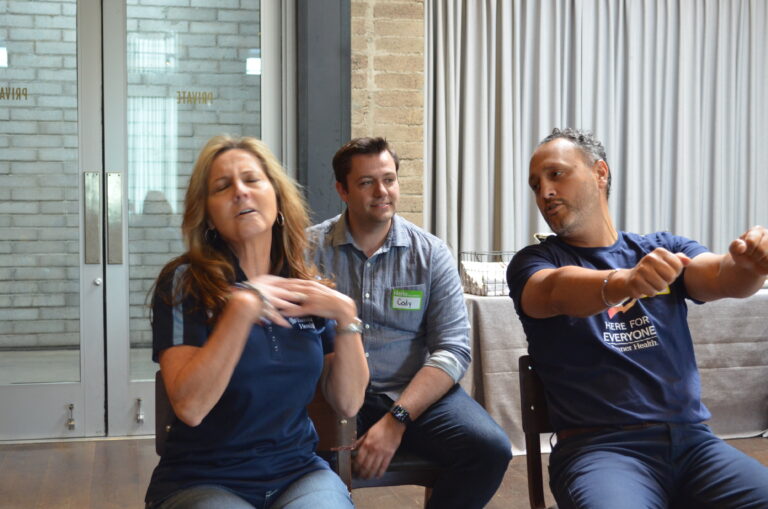
That is why experiential development matters. Teams need opportunities to rehearse listening, presenting ideas, handling disagreement, and adapting in real time. When people practice in a focused, low-stakes setting, they become less likely to freeze, deflect, or talk over one another when the stakes rise.
The most effective sessions do not feel like passive compliance training. They put participants into realistic communication challenges, create room for reflection, and connect every exercise to the work they do with customers, colleagues, and leaders. The energy matters because people remember what they experience. The business application matters because a fun afternoon without changed behavior does not strengthen trust.
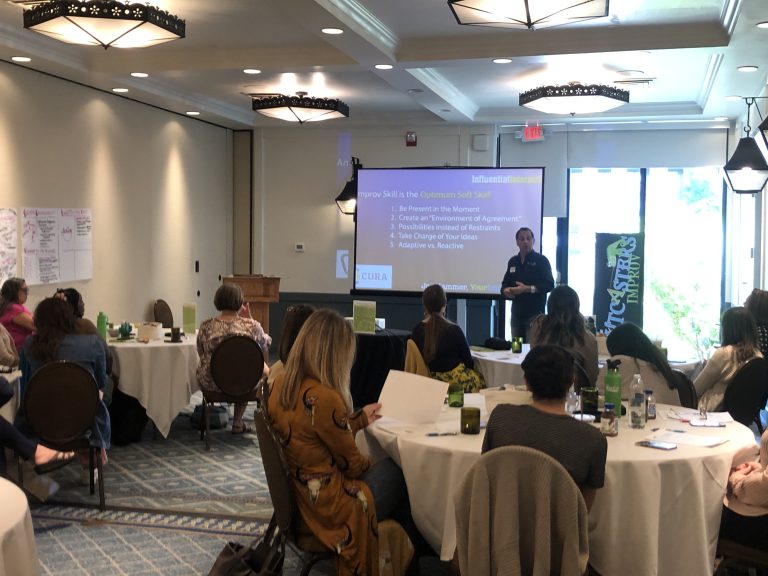
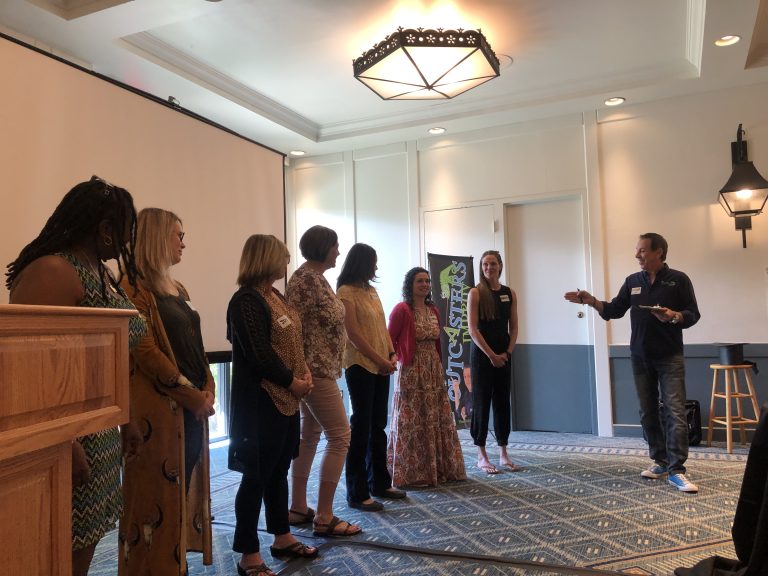
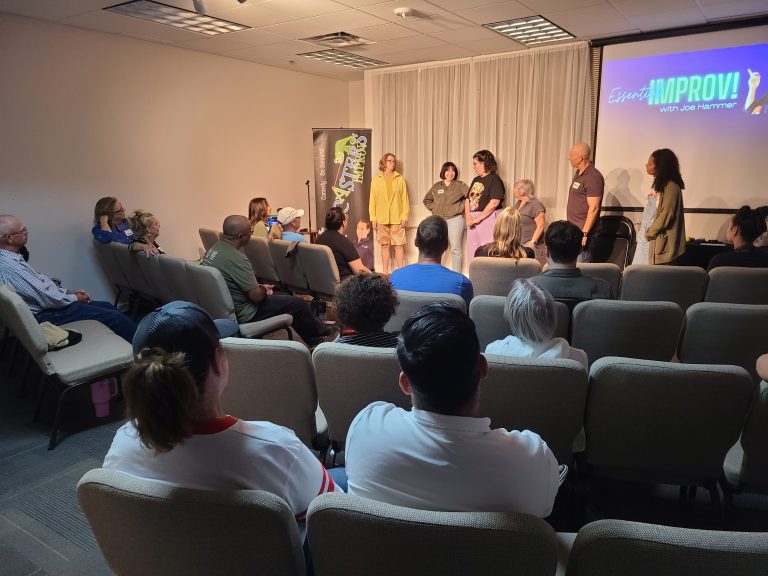
Your Improv Coach uses interactive corporate learning to help teams build those practical habits: listening with attention, communicating clearly, collaborating under uncertainty, and leading with composure. The point is not performance. The point is preparing people to respond well when the script changes.
Let Accountability Strengthen, Not Damage, Trust
Some leaders worry that accountability will make people guarded. The opposite is usually true when accountability is handled well. High performers want to know that commitments matter and that poor behavior will not be ignored.
The difference is whether accountability becomes public punishment or a clear path back to reliability. When someone misses a commitment, address it promptly. Ask what happened, identify what needs to change, and agree on a specific next action. Avoid turning one mistake into a character judgment.
Accountability also applies upward. Leaders build credibility when they acknowledge their own misses. A simple statement such as, “I changed the priority too late and created extra work for the team. Next time, I will communicate the decision sooner,” can reset the tone of an entire group. It demonstrates that ownership is not something leaders demand from others while avoiding it themselves.
There are situations where trust has been seriously damaged, such as repeated dishonesty, disrespect, or failure to meet critical responsibilities. In those cases, a team-building activity alone will not fix the problem. Leaders may need clearer consequences, stronger performance management, or direct intervention. Trust is generous, but it is not naive.
Give Teams a Shared Way to Handle Pressure
Pressure exposes communication habits. Without a shared approach, some people get quieter, some become controlling, and some push decisions through before the right voices are heard. The result is often confusion that gets mislabeled as a lack of trust.
Give teams simple ways to slow down and reconnect in the moment. Before a difficult decision, clarify the objective and who needs to contribute. During disagreement, ask participants to restate the concern they heard before responding. After a challenging project, hold a short review of what helped, what created friction, and what the team will do differently next time.
These routines are not bureaucracy. Used sparingly, they create a reliable rhythm for productive interaction. They also help newer employees contribute sooner, because they do not have to guess how to enter the conversation.
Measure What People Actually Experience
Employee surveys can offer useful signals, but trust should not be reduced to one annual score. Look at the behavior around the score. Are people bringing up risks early? Are meetings filled with a few familiar voices, or do ideas come from across the room? Do teams resolve handoff issues directly, or do they escalate every disagreement? Are managers following through on feedback?
Use short pulse questions and candid team conversations to identify patterns. Then choose one or two behaviors to improve rather than launching a broad culture campaign that nobody can sustain. A department struggling with unclear decisions may need stronger meeting agreements. A leadership team that avoids hard conversations may need practice giving direct feedback. The right solution depends on the actual friction.
Trust becomes credible when employees can point to changed experiences: a manager who listens, a teammate who follows through, a meeting where disagreement led to a better decision, or a leader who stayed composed when the plan shifted. Give people repeated chances to create those moments, and the culture will start to feel different where it counts: in the work itself.

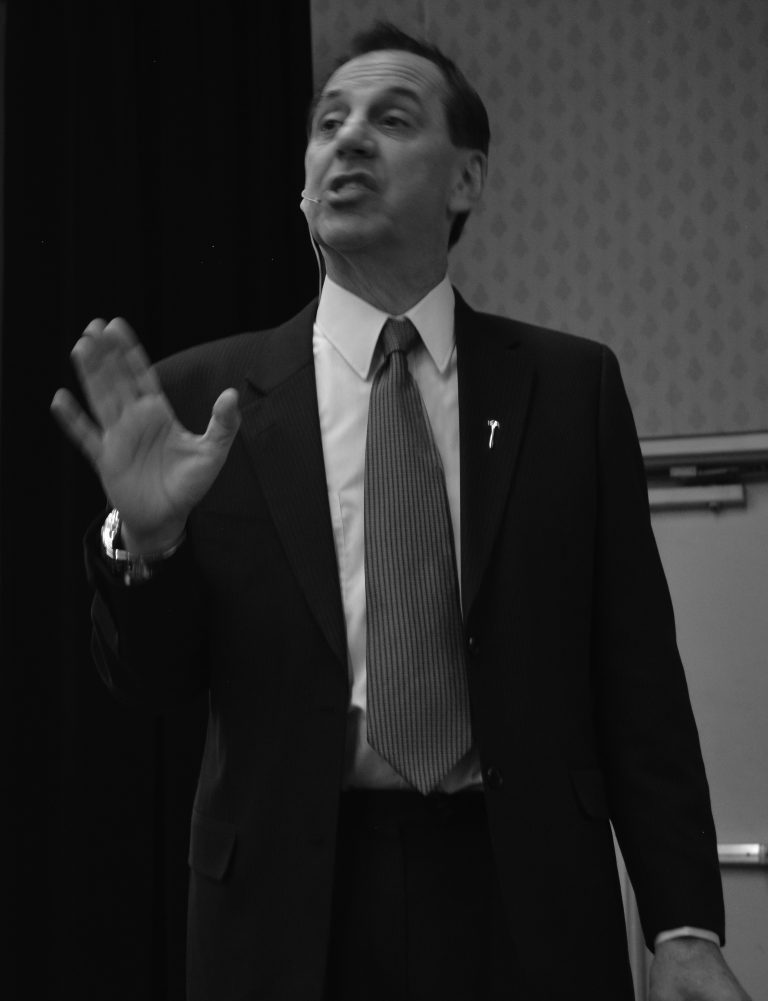
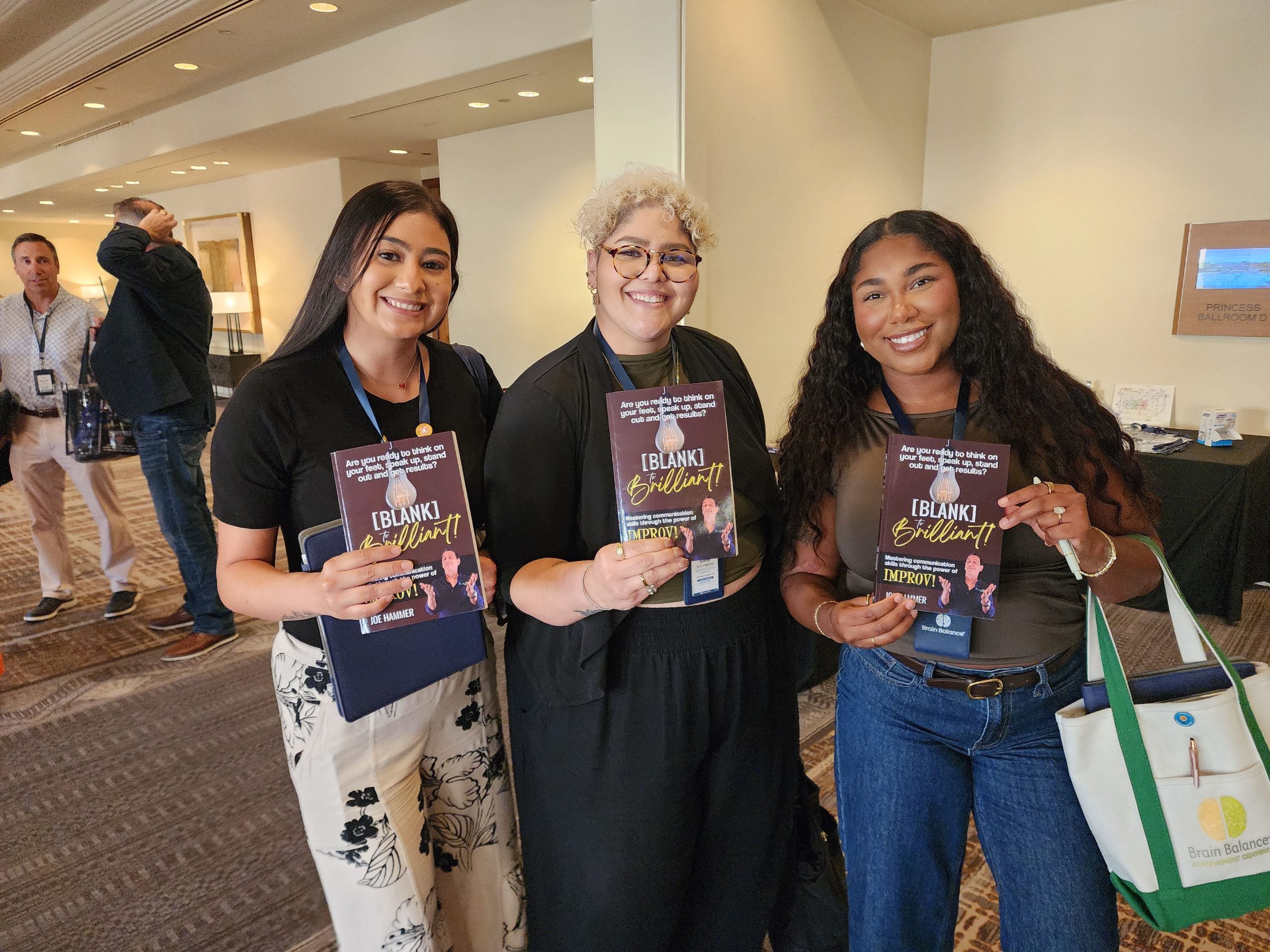
As founder of The Outcasters Improv Training Center and YourImprovCoach.com, Joe Hammer has spent years helping forward-thinking organizations build real skills in listening, collaboration, and adaptability under pressure through interactive, improv-based training. His engagements often open with a high-energy presentation on using principles of improv in effective business communication, a great way to set the tone at a conference, offsite, or leadership summit, before teams move into hands-on training.