Active Listening Training for Workplace Teams
A project update changes in the middle of a meeting. A customer raises an objection no one expected. A manager gives feedback, and the employee hears criticism instead of a path forward. These moments do not usually break down because people lack intelligence or effort. They break down because people stop listening while they are still waiting to speak.
Active listening training in the workplace gives teams a practical way to stay present, catch what is actually being said, and respond with more clarity. It is not about nodding along, repeating every word, or turning a conversation into therapy. It is a performance skill – one that reduces rework, improves decision-making, and helps people work through pressure without creating unnecessary friction.
Why workplace conversations go off track
Most professionals believe they are good listeners. Yet daily business conversations create conditions that make genuine listening difficult: full calendars, competing priorities, familiar assumptions, screens, status differences, and the pressure to have an answer quickly.
Consider the director who asks for a faster rollout. One team member hears, “Skip quality checks.” Another hears, “Work harder.” What the director may actually mean is, “Show me which steps are essential and where we can make a responsible trade-off.” If nobody pauses to clarify, the team can spend days solving the wrong problem.
The cost shows up everywhere. Salespeople respond to the objection they expected instead of the one a prospect raised. Managers offer solutions before employees have fully described the problem. Cross-functional partners defend their territory rather than understand the constraints on the other side. Meetings end with apparent agreement and conflicting next steps.
This is why listening cannot be treated as a soft, optional behavior. It is an operational capability. Better listening helps teams identify the real issue sooner, make fewer assumptions, and move forward with less cleanup later.
What active listening training for workplace teams changes
Effective training does more than tell people to pay attention. It creates practice situations where participants have to listen, interpret, clarify, and respond in real time. That matters because listening is easiest when the stakes are low and hardest when the conversation becomes fast, emotional, unclear, or unfamiliar.
Participants learn to notice when they are preparing a rebuttal instead of absorbing information. They practice asking questions that move a conversation forward rather than make the other person feel interrogated. They learn how to reflect the central point of a discussion accurately, verify assumptions, and respond to what was said – not to the story they invented around it.
The outcome is not slower communication. Done well, active listening makes communication more efficient. A well-placed clarifying question can prevent a twenty-minute detour. A manager who confirms an employee’s concern before coaching can get to a useful action plan faster. A team that can name competing needs without becoming defensive can make better decisions under a tight deadline.
Listening is not agreement
Business leaders sometimes worry that active listening will make difficult conversations too gentle or too long. It does neither. Listening to a colleague’s position does not require agreeing with it. It requires understanding it well enough to respond intelligently.
That distinction is especially valuable in leadership conversations. You can acknowledge that a team member is concerned about capacity while still holding the deadline. You can recognize a customer’s frustration while maintaining a clear boundary. You can hear a competing department’s priorities and still make the case for a different decision.
When people feel heard, they are more likely to engage with the next step. When they feel dismissed, they tend to repeat themselves, withdraw, or escalate. None of those responses improves performance.
Where teams need the skill most
Active listening has broad value, but the best training connects directly to the interactions that affect your organization’s results. A generic workshop may create a pleasant experience. A focused program gives people habits they can use in the conversations already creating delays, tension, or missed opportunities.
For managers, the priority may be stronger one-on-ones, feedback conversations, delegation, and coaching. Newer managers often rush to solve an employee’s problem because they want to be helpful. Seasoned leaders may assume they know the answer because they have seen a similar issue before. In both cases, listening creates the space to determine what is different this time.
For customer-facing teams, listening improves discovery, service recovery, objection handling, and account relationships. Customers do not always describe their needs neatly. A representative who listens for priorities, concerns, and unstated constraints is far better equipped to offer a relevant response.
For cross-functional groups, the challenge is often translation. Finance, operations, sales, and marketing may use different language for the same business problem. Active listening helps people uncover the concerns behind the terminology, so a disagreement about tactics does not become a fight over intent.
For executive teams, the stakes are higher still. Leaders need to hear incomplete information, draw out perspectives that may not be volunteered, and make decisions without pretending certainty. The goal is not endless consensus. It is a clearer picture before commitment.
Build practice around real business pressure
A lecture can explain active listening. It cannot reliably change how people behave when a client pushes back, a senior leader challenges an idea, or a meeting takes an unexpected turn. That is why experiential practice is so effective.
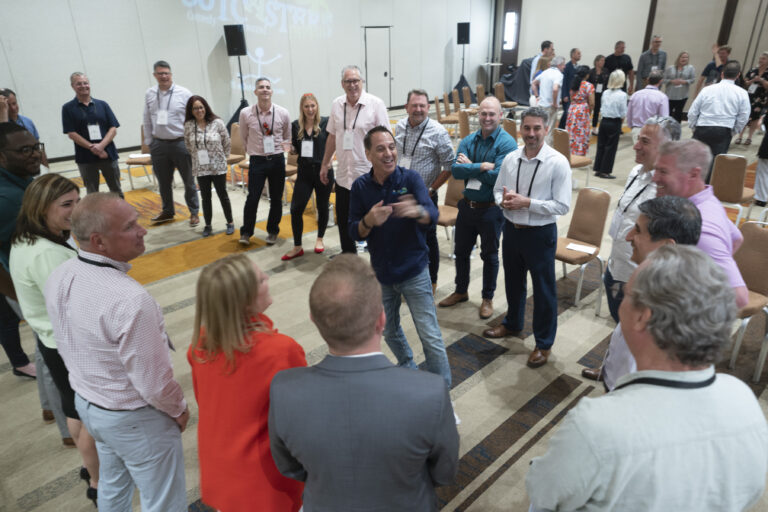
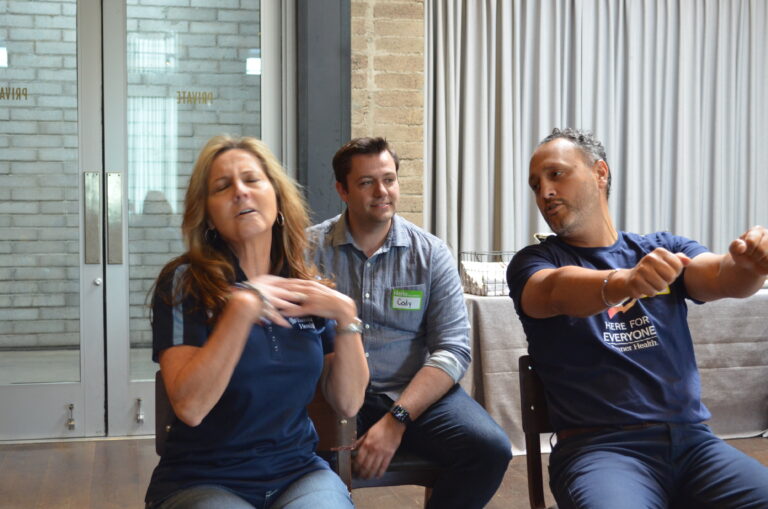
In a strong session, people participate. They face quick exchanges, ambiguous information, competing priorities, and moments that require a response before they feel fully ready. The exercise may be light enough to lower defenses, but the business application should be unmistakable. Participants connect what happened in the room to the conversations they need to handle outside it.
This approach is particularly useful for teams that have sat through too many passive training sessions. They do not need more slides explaining that communication matters. They need a safe place to try a new behavior, miss a cue, reset, and try again without damaging a client relationship or a working partnership.
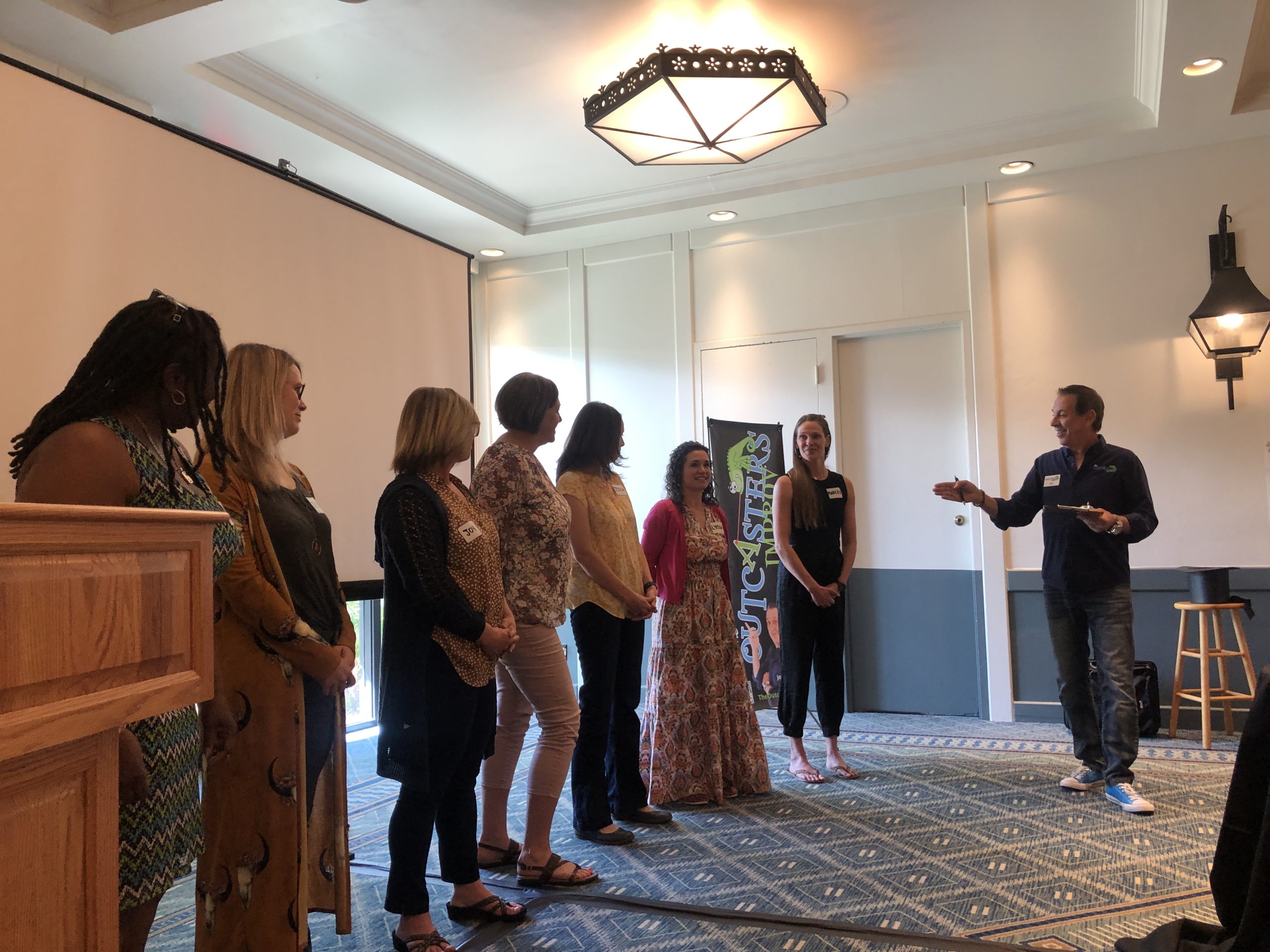
Your Improv Coach uses interactive, improvisation-based business training to make that practice memorable and immediately usable. The emphasis is not on performing or being funny. It is on listening better, adapting quickly, communicating clearly, and staying composed when the expected script disappears.
How to make the learning stick
Training has more impact when leaders reinforce it in the flow of work. That does not mean turning every conversation into a skills evaluation. It means building a few useful prompts into the moments where communication matters most.
Before a major decision, ask, “What did we hear from the people closest to this issue?” At the end of a meeting, have one person state the decision, owner, and next step in plain language. During a tense discussion, encourage people to clarify the other person’s position before offering a counterpoint. These are small actions, but they change the quality of the exchange.
It also helps to define what improvement looks like. Depending on the team, that might mean fewer handoff errors, cleaner client discovery notes, less meeting rework, faster conflict resolution, or stronger employee engagement. The right measure depends on the business problem. A customer service team and a leadership group will not use the skill in exactly the same way.
Managers set the tone here. If leaders interrupt, answer before others finish, or reward the loudest voice, no training program will carry much weight. When leaders ask thoughtful follow-up questions, make room for dissent, and demonstrate that changing their mind is a sign of good judgment, teams follow the example.
Choose training that fits the work
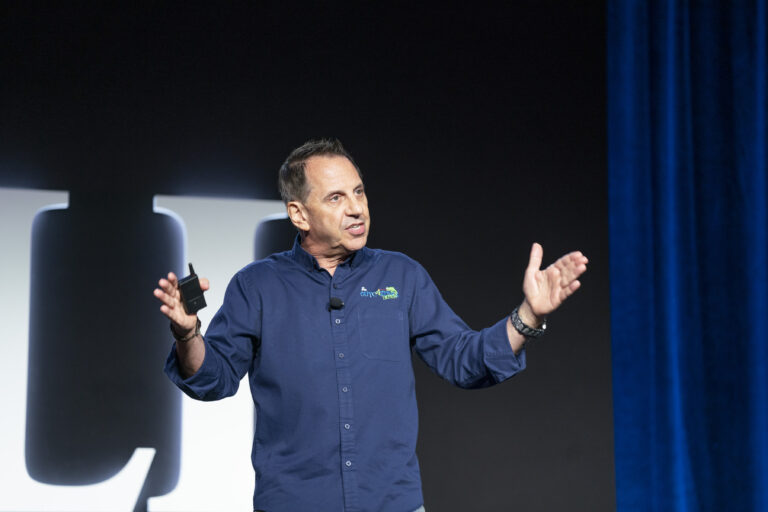
The most useful active listening training is customized to the participants and the situations they face. A conference keynote can build energy and introduce a common language across a large group. A workshop can give a department more time to practice and receive feedback. An offsite can help a leadership team work directly on the conversations that have become difficult or avoided.
The format should follow the outcome you need. If your team struggles with daily collaboration, short, repeatable communication tools may be the priority. If leaders are navigating change, the training should include ambiguity, competing viewpoints, and decisions with no perfect answer. If a sales or service group needs better client conversations, the practice should reflect the pace and uncertainty of those interactions.
The standard is simple: participants should leave knowing what to do differently in their next conversation. Not someday. Not after a new initiative launches. In the meeting, call, feedback session, or customer exchange already on their calendar.
Listening well is not passive. It is a visible choice to stay curious long enough to understand the real issue, then respond with purpose. Give people the chance to practice that choice under pressure, and better conversations become a daily business advantage.
Ready to build this kind of listening into your team’s daily habits? The Outcasters’ corporate improv training makes active listening a practiced skill, not just a policy.

As founder of The Outcasters Improv Training Center and YourImprovCoach.com, Joe Hammer has spent years helping forward-thinking organizations build real skills in listening, collaboration, and adaptability under pressure through interactive, improv-based training. His engagements often open with a high-energy presentation on using principles of improv in effective business communication, a great way to set the tone at a conference, offsite, or leadership summit, before teams move into hands-on training.