Why Teams Resist Training and What Changes It
A training invitation can land in a calendar and receive the same reaction as an unexpected status meeting: polite acceptance, low enthusiasm, and a quiet assumption that real work will have to wait. That response does not mean people do not want to grow. Why teams resist training is usually more complicated – and more useful for leaders to understand – than a lack of motivation.
People protect their time, their credibility, and their ability to get work done. If training feels disconnected from those realities, resistance is a rational response. The good news is that resistance is not a permanent personality trait or a sign that development is a bad investment. It is feedback about the way learning is being positioned, delivered, and reinforced.
Why Teams Resist Training Before It Begins
Most employees have sat through a program that looked promising in the invitation and delivered little they could use on Tuesday morning. They may have heard a speaker offer broad advice, completed a worksheet, and returned to the same overloaded inbox and unresolved communication problems. Experience teaches people to be cautious.
Leaders sometimes interpret that caution as negativity. More often, it is pattern recognition. Team members are asking practical questions: Will this help me handle a difficult customer conversation? Will it make our meetings less circular? Will my manager support the new behavior after the session ends? If the answers are unclear, attendance can become compliance rather than engagement.
Resistance also grows when training is announced as a solution without naming the business problem. “We need better communication” sounds reasonable, but it is too broad to inspire effort. “We are losing time because handoffs between sales and operations are unclear” gives people something real to work on. Specificity tells participants that their daily experience has been heard.
The hidden cost of mandatory enthusiasm
Employees can tell when an organization wants them to perform enthusiasm. That pressure creates the opposite of psychological safety. A seasoned manager may worry about looking unskilled in front of peers. A newer employee may worry that speaking up will be judged. Someone carrying a heavy workload may resent being told to participate fully while deadlines remain unchanged.
This does not mean training should be optional in every case. Some capabilities, especially those tied to leadership expectations, customer experience, or operational change, deserve a shared standard. It does mean leaders must earn attention. Explain why the work matters now, what participants will practice, and what will be different afterward.
Relevance Beats a Perfect Slide Deck
Training fails when it treats people as empty containers waiting for information. Most business teams do not need more reminders that listening matters, collaboration matters, or confidence matters. They need a chance to practice those skills in the situations where they tend to break down.
For a sales team, that might mean responding clearly when a prospect changes priorities during a presentation. For managers, it may mean addressing tension without becoming defensive. For cross-functional teams, it could be making decisions when information is incomplete and the clock is moving.
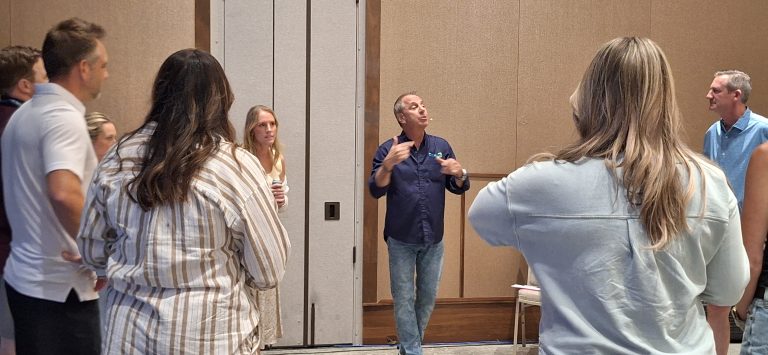
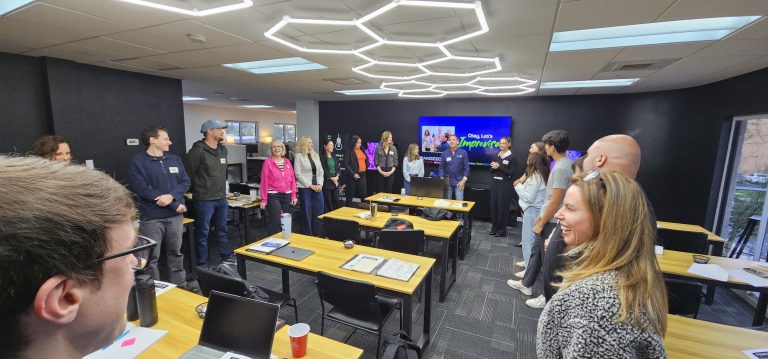
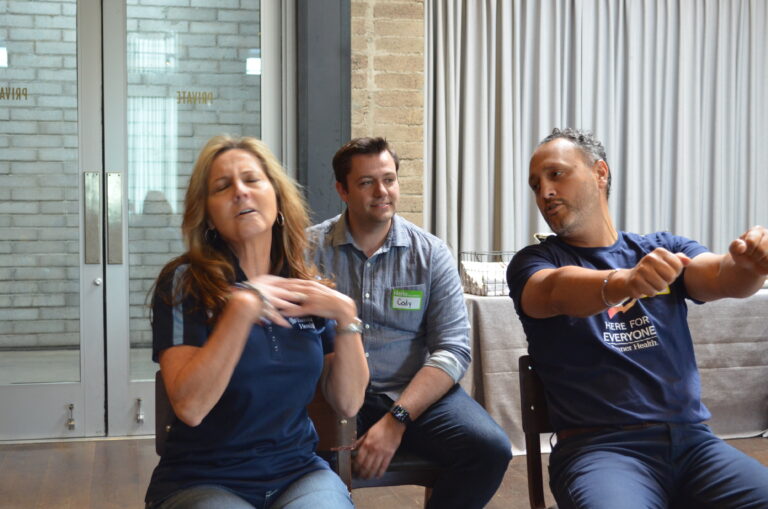
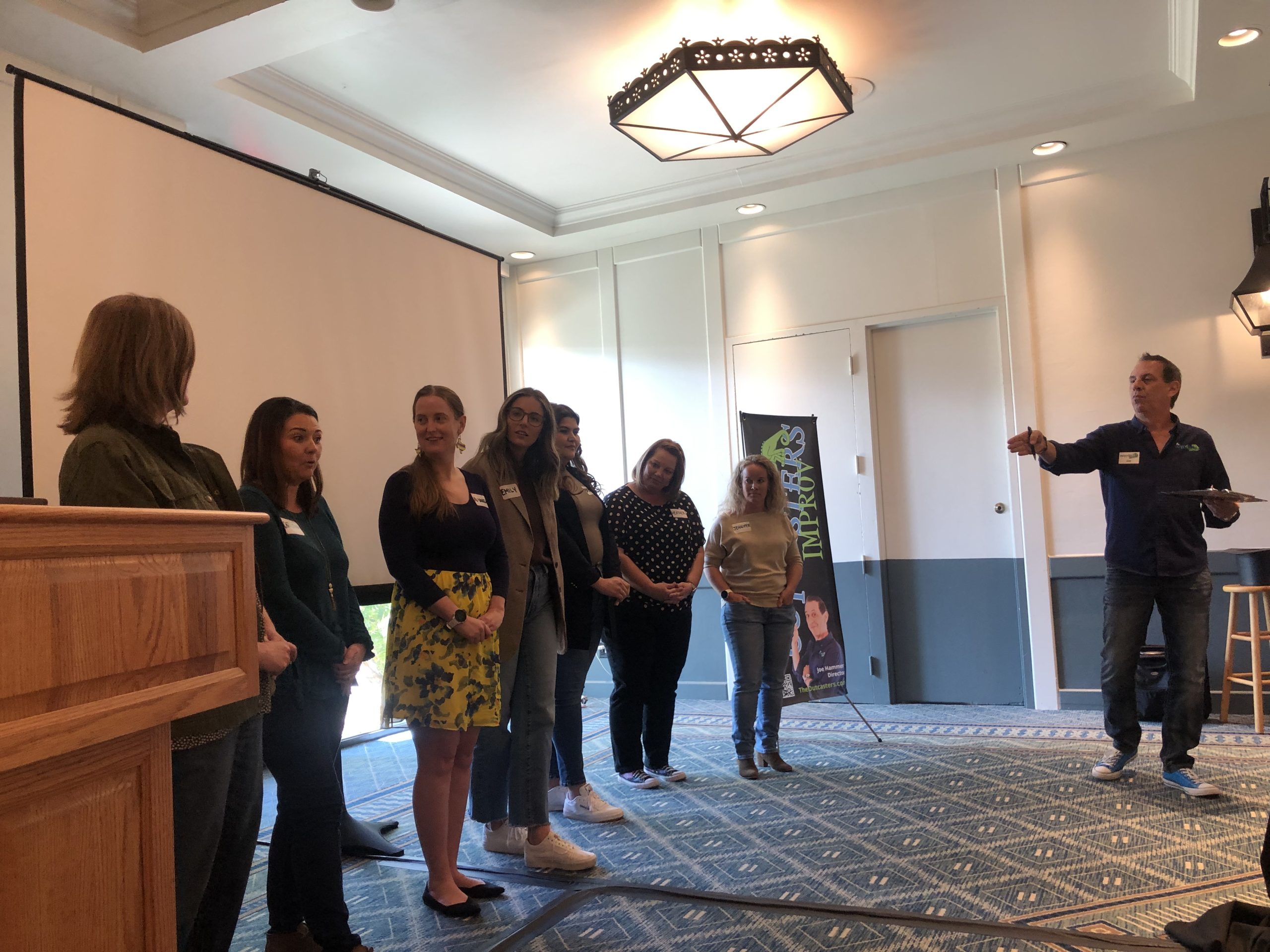
The format matters because the work matters. Passive lectures can introduce an idea efficiently, but they rarely build fluency under pressure. Interactive learning gives people a low-risk place to try a new response, receive useful feedback, adjust, and try again. The point is not to entertain a room for an afternoon. The point is to create behavior people can use in the next conversation.
That is why experiential programs can be especially effective for communication, leadership presence, adaptability, and presenting. Participants do not merely discuss what clear communication sounds like. They practice being clear when someone interrupts, changes the question, or disagrees. They discover where their habits help and where those habits get in the way.
Timing Can Turn a Good Program Into a Bad Experience
Even excellent training can meet resistance when it is poorly timed. Ask a team to spend a full day learning during quarter-end, a system rollout, or a major client deadline, and the program may feel like an obstacle rather than support. The issue is not always the content. It is capacity.
HR and L&D leaders often have to work within real constraints, so perfect timing may not exist. Still, small choices make a difference. Involve department leaders early. Ask what work pressures are coming. Protect the time rather than asking employees to make up every hour later. When possible, connect the session to a live business priority that participants already care about.
A short, focused workshop may be the right choice when a team needs immediate help with a specific challenge. A broader development experience may fit better when leaders are building a common communication standard across departments. It depends on the goal, the group, and what reinforcement will follow. More time is not automatically better. Better alignment is.
Managers Make Training Believable or Forgettable
Employees watch what leaders reward. If a manager sends people to a communication workshop but continues to dominate every meeting, the message is clear. If leaders ask for input but punish disagreement, no training exercise will repair the credibility gap.
Managers do not need to become professional facilitators. They do need to make development visible in their own behavior. Before a program, they can name a real challenge they want the team to improve. During it, they can participate rather than disappear. Afterward, they can ask focused questions: What will we do differently in our next client meeting? What should we stop doing in project handoffs? Where will this be hardest to apply?
Those conversations convert training from an event into a working expectation. They also signal that practice is not a remedial activity for people who are struggling. It is how capable professionals get better.
Make room for application, not just attendance
A team needs permission to use new skills before they feel natural. That may involve a five-minute pre-meeting check-in, peer feedback after a presentation, or a manager noticing when someone handles an unexpected question with more composure than before. These moments are small, but they are where learning becomes part of the culture.
Avoid turning follow-up into a burdensome reporting system. The goal is not to create another dashboard. It is to keep attention on a few observable behaviors that improve performance. For example, a team might focus on clearer meeting ownership, more direct customer conversations, or stronger responses when priorities shift.
How to Reduce Resistance Without Overselling Training
The most effective message is honest. Do not promise that one workshop will solve every communication problem, erase conflict, or transform a culture by Friday. People know better. Instead, define the capability being built and the work it will support.
Start by gathering input from the people closest to the issue. What conversations are stalling? Where does confusion show up? What situations create pressure or hesitation? This step does more than improve program design. It gives employees evidence that training is being built around their reality, not imposed from a distance.
Next, set expectations in business language. Explain what participants will gain, such as stronger listening, clearer presenting, more productive problem solving, or greater confidence when plans change. Connect those outcomes to the organization’s priorities. A program designed around real interactions will feel more credible than one built around generic inspiration.
Finally, choose a delivery style that matches the intended outcome. If leaders want people to act differently in unpredictable conversations, participants need active practice. If the goal is awareness of a new process, a concise briefing may be enough. There is no prize for making every learning experience highly interactive. The right level of involvement depends on what people must be able to do afterward.
Your Improv Coach builds business-focused learning experiences around this distinction. The work uses active participation to strengthen communication and leadership behaviors, with exercises designed to feel relevant to the workplace rather than like entertainment disguised as development.
The Better Question to Ask
Instead of asking, “Why are people resisting training?” try asking, “What have we asked them to believe?” Have we shown that this program respects their time, addresses a problem they recognize, and gives them a practical way to improve? Have leaders demonstrated that the behavior matters after the session ends?
When teams resist, listen closely. Their hesitation may point to unclear goals, poor timing, old disappointments, or a real concern about workload. Addressing that feedback is not lowering the bar. It is how you build a learning experience people are willing to bring back into the room where the real work happens.

About the author
Joe Hammer is a Scottsdale-based corporate improv trainer who has worked with businesses since 1989. As founder of The Outcasters Improv Training Center and YourImprovCoach.com, he runs hands-on workshops for conferences, team building and communication skills nationwide. He is also the author of The Improv Edge.