Facilitated Learning Guide for Better Teams
The most expensive training is not the session people dislike. It is the session people enjoy, then promptly forget when the next difficult meeting begins. A strong facilitated learning guide helps leaders and learning teams avoid that outcome by designing practice around the interactions that shape business results: conversations with clients, presentations to executives, handoffs between departments, feedback discussions, and fast decisions with incomplete information.
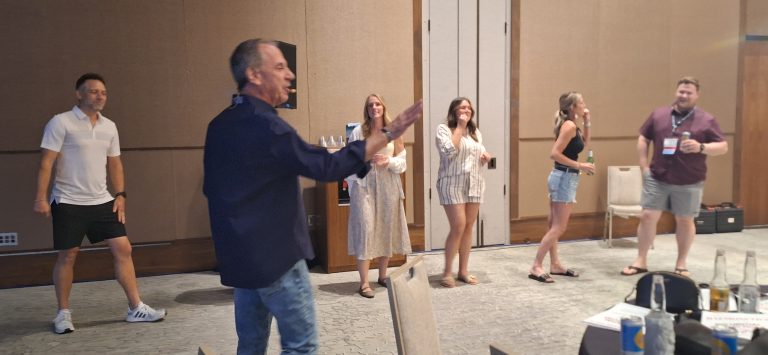
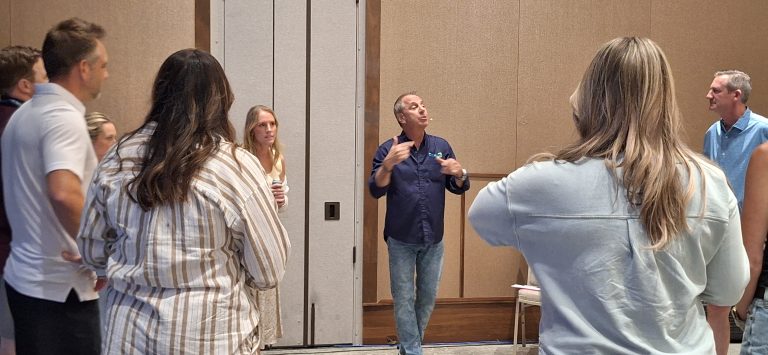
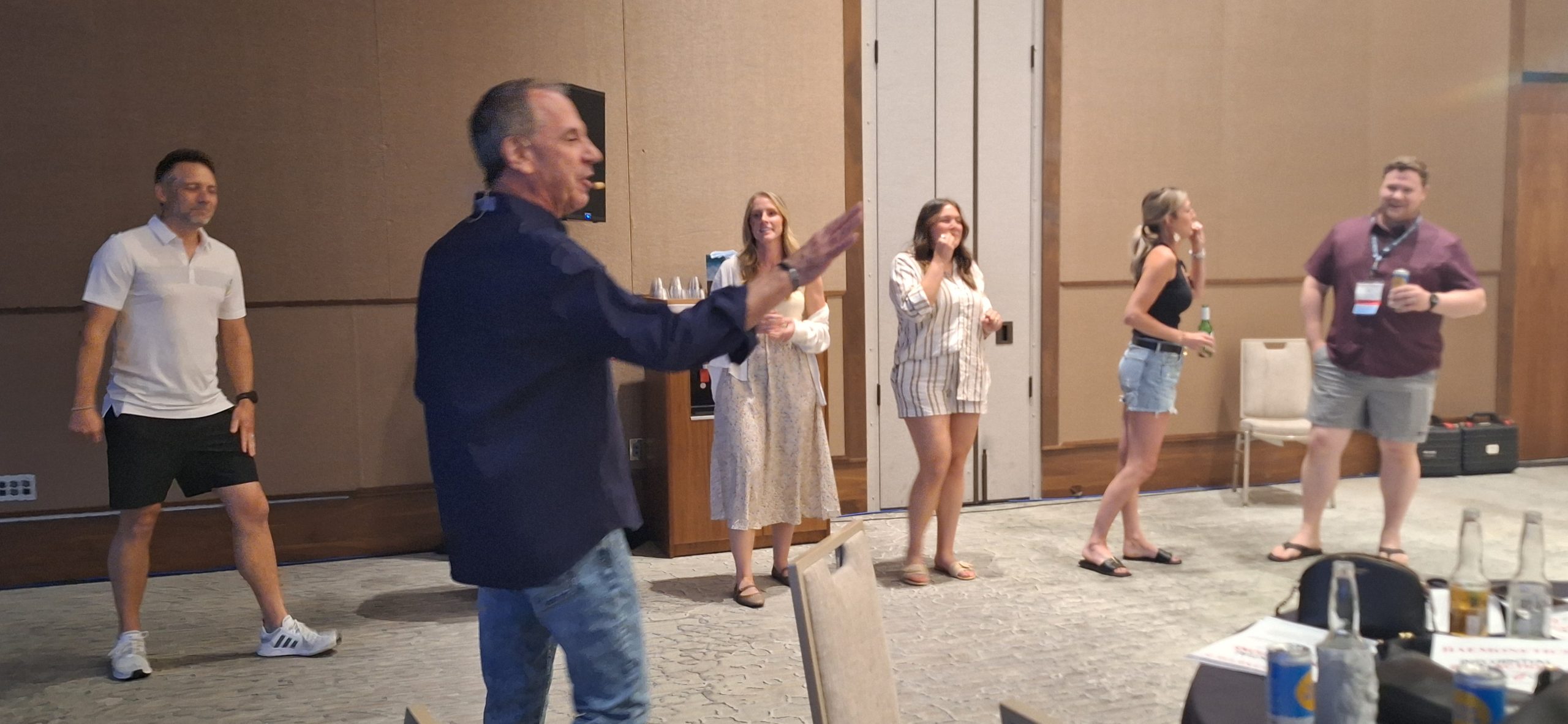
Facilitated learning is not a speaker delivering more polished slides. It is a structured experience in which participants test behaviors, receive useful feedback, adjust their approach, and practice again. The goal is clear: make better communication and leadership behavior easier to access when the pressure is real.
What a Facilitated Learning Guide Should Do
A useful guide starts with the outcome, not the activity. “We want a fun team-building event” is understandable, but it is not yet a training objective. What needs to work better afterward? Maybe managers need to address conflict before it hardens. Maybe account teams need to listen for the real concern behind a customer’s request. Maybe leaders need to present a recommendation clearly when senior stakeholders challenge the plan.
Those needs require practice, not passive agreement. Most professionals already know they should listen, communicate clearly, and stay adaptable. The gap appears when a conversation becomes uncomfortable, a presentation goes off course, or someone has to respond before they have a perfect answer.
A facilitated session creates a low-risk place to work in that gap. Participants can make an attempt, recognize where their message became vague or defensive, and try a stronger response while the stakes are manageable. That is how training moves from an interesting idea to a repeatable workplace habit.
Start With Business Moments, Not Broad Skill Labels
“Communication” is too broad to guide a meaningful workshop. The same is true of “leadership” or “collaboration.” Ask department heads and participants where communication breaks down in observable terms.
A sales organization may need more confident discovery conversations. A leadership group may need to communicate decisions with greater consistency during change. A cross-functional team may need to stop treating disagreement as delay and start using it to improve the work. An executive team may want sharper presentation skills before a major client meeting, board discussion, or internal rollout.
Specific moments create specific practice. They also give the facilitator a way to build relevant exercises, prompts, and debrief questions. Instead of asking participants whether they liked the training, you can ask whether they can now handle a conversation they previously avoided or improve an interaction that has been costing the team time.
Before the session, gather a focused picture of the audience. What decisions do they make? Who do they need to influence? What kinds of conversations create hesitation? What is changing in the business? A room full of emerging leaders needs a different level of challenge than a group of senior executives preparing to guide a major shift.
Design the Learning Cycle Around Action
The strongest facilitated programs move through a simple cycle: experience, reflection, adjustment, and application. Each part matters.
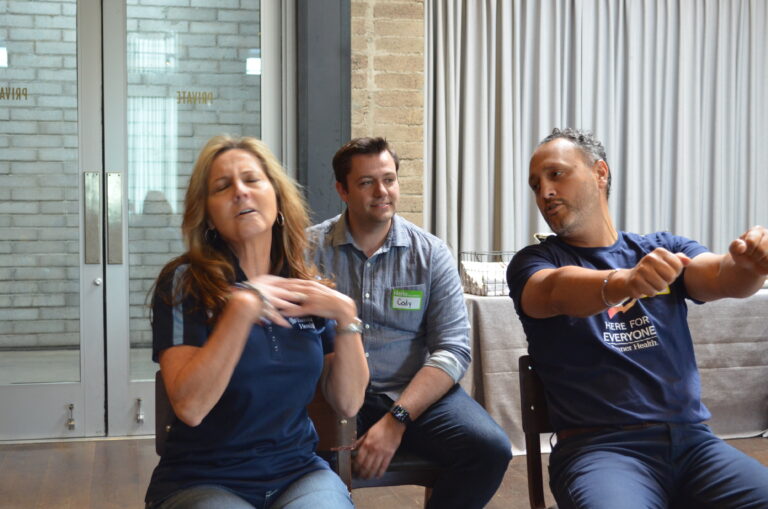
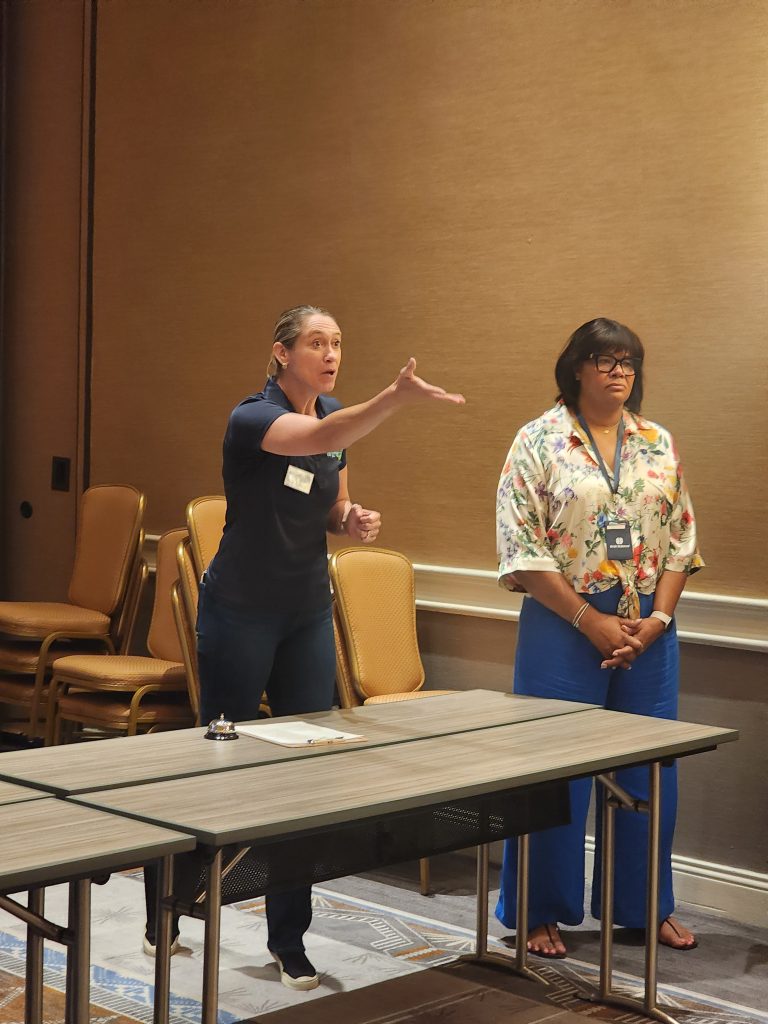
Participants first need an experience that exposes a real communication choice. The activity should be active enough to reveal habits, but relevant enough that nobody is left wondering what it has to do with work. The facilitator then helps the group name what happened. Where did people make assumptions? When did they stop listening? What made a message persuasive, clear, or difficult to follow?
Reflection without a next attempt has limited value. Give people an immediate opportunity to apply what they noticed. A manager who realizes they rush to solve a problem should practice asking better questions. A presenter who relies on too much detail should practice delivering the central message first. A team member who withdraws during disagreement should rehearse how to contribute a constructive point of view.
This is where interactive learning earns its place. People do not gain confidence from being told to be confident. They gain it by performing a behavior, getting feedback, and discovering they can respond effectively without a script.
Keep the Debrief Business-Focused
The debrief is where engaging activity becomes professional development. Without it, a session can feel entertaining but disconnected from the work waiting outside the room.
A capable facilitator does not simply ask, “What did you learn?” That question often produces broad answers that sound positive but change little. Better questions direct attention to behavior and impact: What did you do when you did not know what would happen next? What did the other person need from you? What made it easier to contribute? What would this look like in a client conversation, a staff meeting, or a presentation?
The point is not to turn every activity into a lecture. It is to help participants connect an immediate experience to the moments where their choices matter. Good facilitation is active, observant, and direct. It gives people room to discover, while also challenging vague takeaways and bringing the group back to the business objective.
Build Psychological Safety Without Lowering the Standard
Some training sessions protect comfort so carefully that participants never stretch. Others push people into public discomfort and call it growth. Neither approach develops capable teams.
The better standard is productive challenge. Participants should understand why they are doing an exercise, what successful participation looks like, and how the work connects to their role. They should also know that trying, revising, and occasionally missing the mark are expected parts of learning.
This is especially relevant for teams with different levels of authority, confidence, or experience. A new employee may worry about speaking in front of leaders. A seasoned executive may resist an activity that feels unrelated to their responsibilities. Clear framing solves much of this. Treat every participant as a professional, explain the business purpose, and use exercises that demand attention without requiring anyone to perform a personality that is not their own.
Psychological safety is not an excuse for low expectations. It is the condition that allows people to take the kind of intelligent risk required to improve.
Make Presentation Skills Part of the Plan
Presenting is often treated as a separate skill, reserved for keynote speakers or sales teams. In reality, leaders and specialists present constantly. They make recommendations, explain priorities, influence decisions, introduce changes, and answer questions when the room is not fully on their side.
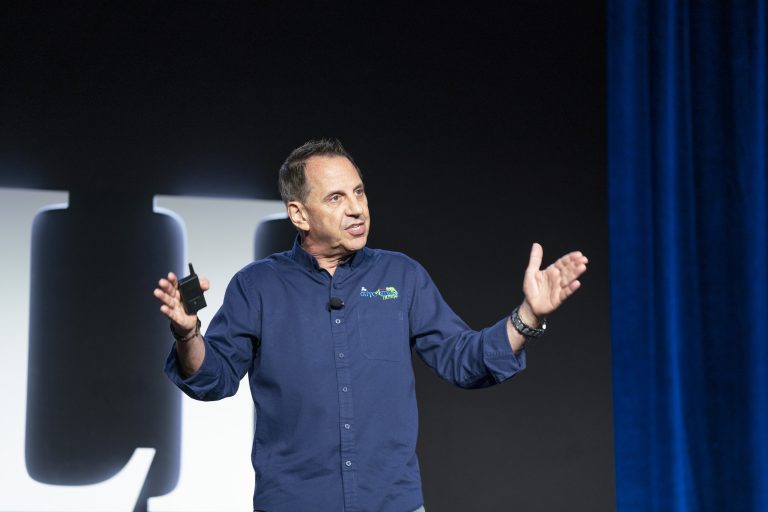
A facilitated learning program can help participants strengthen the practical side of presenting: organizing a message around what the audience needs, speaking with more presence, responding when questions redirect the conversation, and staying composed when a point does not land as expected.
The trade-off is time. A brief team session may be best used to improve one shared communication behavior. A leadership retreat or executive development program can go deeper, allowing participants to practice presentations, receive targeted feedback, and return for additional coaching. The right choice depends on the consequence of the interaction and how much behavior change the organization expects.
Measure What Changes After the Room Clears
Training feedback forms are useful, but they are not the finish line. High ratings can indicate that the session was well-run and engaging. They do not prove that people now communicate more effectively.
Set a few observable measures before the program begins. A manager might commit to asking clarifying questions before offering solutions. A team might use a clearer structure for decision meetings. Leaders might agree on how they will communicate a change to their departments. Presenters might identify one behavior they will test in their next client or executive-facing meeting.
Then create follow-through. That could mean a manager-led check-in, peer feedback, a short reinforcement session, or a practical challenge participants complete during their normal workweek. Repetition matters because workplace pressure pulls people toward familiar habits.
Your Improv Coach builds interactive development around this reality. The work is designed to help professionals listen better, adapt quickly, communicate with greater clarity, and lead with confidence when conversations become less predictable.
Choose a Facilitator Who Can Read the Room
A guide is only as effective as the person leading it. Look for a facilitator who can connect quickly with a business audience, adjust to the energy in the room, and challenge participants without turning the experience into a performance. Industry knowledge helps, but the ability to draw out useful participation is just as important.
Ask how the program will be customized. Ask what participants will practice. Ask how the facilitator will connect activities to current business challenges. If the answers stay abstract, the training may remain abstract too.
The right facilitated learning experience gives people more than a memorable day away from their desks. It gives them a stronger next response when the conversation matters, the audience is watching, and there is no time to wait for a perfect script.

About the author
Joe Hammer is a Scottsdale-based corporate improv trainer who has worked with businesses since 1989. As founder of The Outcasters Improv Training Center and YourImprovCoach.com, he runs hands-on workshops for conferences, team building and communication skills nationwide. He is also the author of The Improv Edge.