Business Keynote Speaker Evaluation That Works
The most expensive keynote mistake is not choosing a speaker who gets weak applause. It is choosing one who gets a standing ovation, then leaves your people with nothing useful to do differently on Monday morning. A smart business keynote speaker evaluation looks past the highlight reel and asks a tougher question: Will this person help our audience communicate, lead, present, and perform better when the pressure is real?
For an annual meeting, leadership summit, sales kickoff, or team offsite, the keynote sets the emotional and practical tone. The right speaker can create momentum that carries into conversations, commitments, and better decisions. The wrong fit can feel polished, pleasant, and completely disconnected from the challenges your organization actually needs to solve.
Start With the Change You Need
Before comparing speakers, get specific about the result you want from the room. “Engagement” is not a complete objective. Neither is “inspiration.” Those may be valuable outcomes, but they do not tell you what employees, managers, or executives need to do better.
A more useful objective sounds like this: managers need to communicate clearly during change; sales teams need greater confidence in prospect conversations; leaders need to listen more effectively before reacting; cross-functional teams need to solve problems without getting stuck in blame; executives need stronger presentation presence with clients and employees.
That clarity changes the evaluation process. A speaker may be excellent at energizing a crowd, but that does not automatically make them the best choice for improving collaboration or preparing leaders to handle difficult conversations. Entertainment has a place at some events. Skill-building belongs at others. Be honest about which one you are buying.
If your event has multiple audiences, identify the shared behavior that matters most. A keynote for frontline employees and senior leaders will not address every role-specific challenge in 60 minutes. It can, however, create a common language around communication, adaptability, confidence, or accountability that later training can reinforce.
Business Keynote Speaker Evaluation: What to Assess
A speaker’s bio, video clips, and client logos are useful starting points. They are not the full evaluation. Look for evidence that the speaker can connect the room’s energy to a business outcome.
Relevance beats recognition
A recognizable name may help with attendance, especially for a large conference. Yet relevance often produces the stronger business return. Ask whether the speaker understands the decisions, customer interactions, leadership demands, and communication breakdowns your people face.
That does not mean the speaker must come from your exact industry. It means they should be able to translate their expertise into your audience’s working reality. A presentation about resilience, for example, should not stop at broad encouragement. It should help people respond when priorities shift, conversations get tense, or a client challenges their assumptions.
Ask prospective speakers what they want to learn about your organization before they build the session. Strong answers usually include your event objective, audience makeup, current business context, and the behaviors leaders want to see afterward. A generic keynote can be delivered anywhere. A useful one sounds as if it belongs in your room.
Participation with a purpose
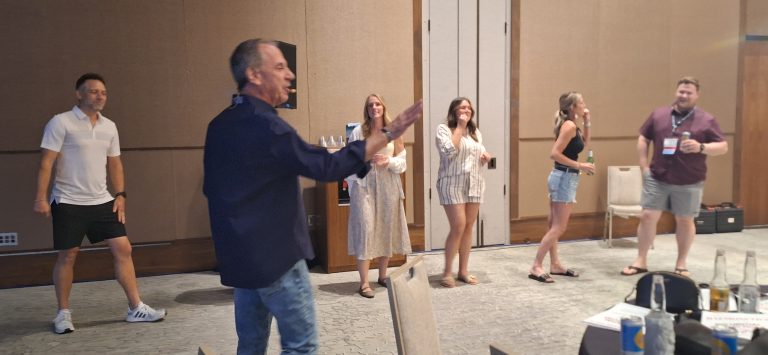
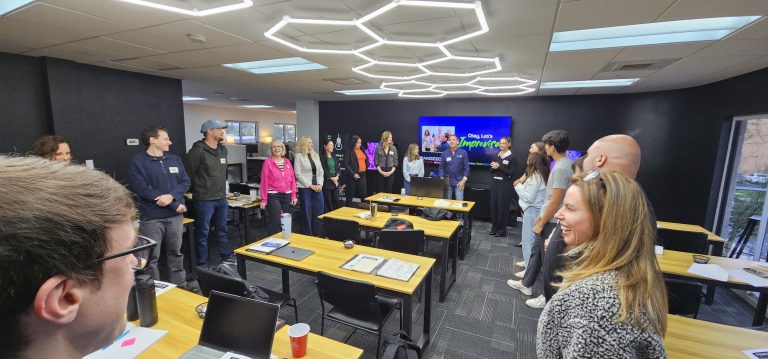
Many event planners want an interactive keynote because they are tired of passive audiences staring at slides. That is a reasonable goal, but interaction alone is not the standard. A speaker can generate laughter, movement, and audience participation without creating a single practical takeaway.
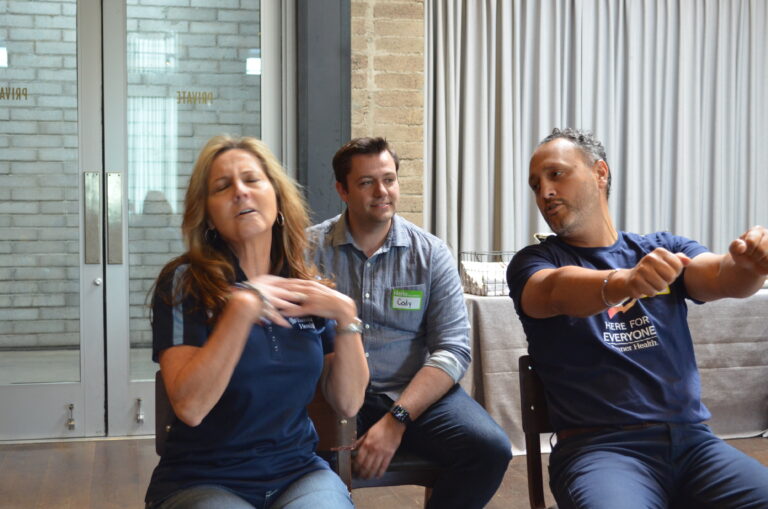
Evaluate how participation supports the message. Will attendees practice listening, responding, influencing, presenting, or collaborating? Will they see how a familiar workplace habit affects the quality of an interaction? Can they apply the experience to a client meeting, team discussion, or leadership conversation?
Well-designed participation also respects the audience. Not every group wants to perform in front of peers, and no professional audience wants to feel tricked into an activity that has no point. The best interactive speakers make the relevance clear, create a low-risk environment, and keep the focus on workplace capability rather than spectacle.
Proof of facilitation skill
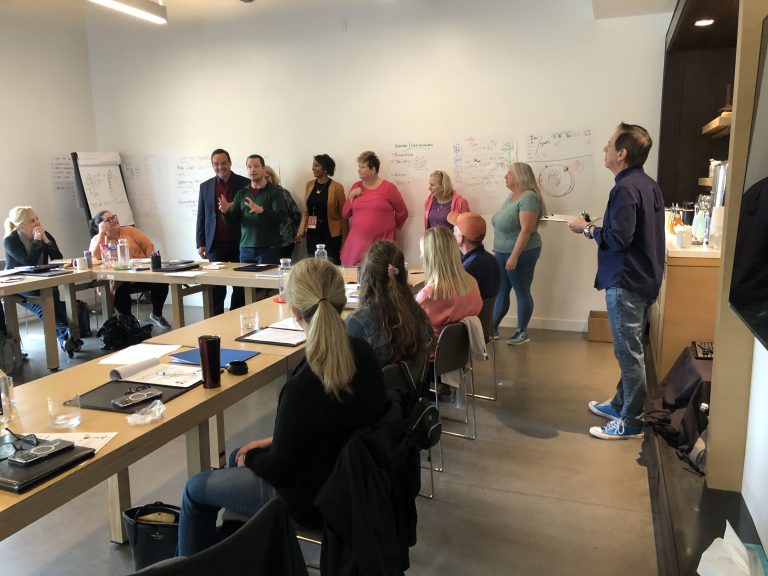
Keynote speaking and facilitation overlap, but they are not identical. A powerful storyteller may hold a room beautifully. A skilled facilitator can also read the room, adjust in real time, involve people productively, and make learning stick when the audience is quiet, skeptical, distracted, or diverse.
For organizations seeking behavior change, this distinction matters. Ask to see a full-length sample when possible, not only a two-minute promotional video. Short clips naturally show the biggest laughs, strongest applause, and most dramatic moments. They rarely show how the speaker builds trust, explains an exercise, handles a resistant participant, or brings a room back to the central message.
References can fill in the gaps. Ask former clients what participants remembered and used later, how well the speaker adapted to their audience, and whether the planning process was organized. Also ask what they would change. A credible reference is more useful when it includes specifics than when it delivers a vague endorsement.
Substance people can repeat
A great keynote creates phrases, questions, and actions people repeat after the event. That does not require a complicated framework. In fact, the more complicated the takeaway, the less likely it is to survive a packed calendar and a busy workday.
Look for a speaker who gives your team usable language. Leaders should be able to carry an idea into a staff meeting. Account managers should be able to use it before a customer call. Executives should be able to apply it when presenting a new direction or responding to tough questions.
This is where experiential business learning can be especially effective. People remember a concept differently when they have practiced it, felt the difference it makes in a conversation, and connected it to their own work. Joe Hammer’s Influential Interactions programs are built around that kind of active, business-relevant practice, with communication tools designed for the moments when preparation alone is not enough.
Do Not Skip the Presenting and Speaking Test
Many organizations evaluate a keynote speaker’s stage presence but overlook whether the session helps their own people become stronger presenters. That is a missed opportunity, particularly for leadership teams, sales organizations, and subject-matter experts who regularly speak to prospects, clients, boards, and internal teams.
A speaker who models clear communication can raise the standard for the entire event. Notice how they open, organize ideas, use stories, invite attention back after a distraction, and answer questions without becoming defensive or vague. Then ask whether they can teach those habits in a way participants can use.
The trade-off is time. A 45-minute keynote can deliver a memorable message and a few practical actions. If your goal is meaningful practice around presentation skills, difficult conversations, or collaborative problem solving, consider a longer session or a workshop connected to the keynote. Do not expect a brief talk to replace hands-on development.
Use a Scorecard Before the Final Decision
Personal preference can quietly take over speaker selection. One committee member likes humor. Another wants a celebrity. A third prefers a formal expert. A simple scorecard keeps the decision tied to the event’s purpose.
Rate each finalist against the criteria that matter most: alignment with business objectives, relevance to the audience, practical takeaways, facilitation ability, presentation quality, customization process, and evidence from similar organizations. Add logistics and budget requirements as needed, but do not let them become the only factors that receive scrutiny.
Weight the criteria if necessary. A sales kickoff may place greater weight on motivation and customer-facing communication. A leadership offsite may prioritize candor, trust, and the ability to guide senior people through active participation. For a conference audience, energy and broad applicability may matter more. The right choice depends on the job the keynote must do.
Ask Better Questions in the Speaker Interview
A speaker interview should reveal more than availability and topic options. Ask what they would want to know about your audience before designing the session. Ask for an example of how they adapted when an event’s needs changed. Ask how they handle participants who are reluctant to engage. Ask what attendees will be able to do differently by the end.
Listen for direct answers. Strong speakers do not promise to transform every culture in an hour. They explain what a keynote can realistically accomplish, where reinforcement is needed, and how they will make the time useful.
Your audience gives you limited attention, trust, and time at an event. Choose a speaker who treats those resources seriously. The best keynote does more than create a memorable hour. It gives people a better next move when they are speaking up, listening closely, leading through uncertainty, or representing your organization in a room that matters.

About the author
Joe Hammer is a Scottsdale-based corporate improv trainer who has worked with businesses since 1989. As founder of The Outcasters Improv Training Center and YourImprovCoach.com, he runs hands-on workshops for conferences, team building and communication skills nationwide. He is also the author of The Improv Edge.