Leadership Workshop Success Stories That Stick
The most credible leadership workshop success stories do not end with, “Everyone had fun.” They show what changed when leaders returned to a tense staff meeting, an executive presentation, a customer conversation, or a decision that could not wait for perfect information.
That distinction matters for HR leaders, department heads, and event planners. A well-run workshop can create energy in the room. A successful one gives people a better way to listen, speak, decide, and lead once the room is gone.
What Leadership Workshop Success Really Looks Like
Success is rarely one dramatic before-and-after moment. More often, it appears in the small interactions that shape performance: a manager asks a better question before reacting, a project lead clarifies ownership instead of letting confusion spread, or an executive adjusts a presentation when the audience signals that the message is not landing.
Those are not soft outcomes. They affect speed, trust, customer confidence, retention, and the quality of decisions made under pressure.
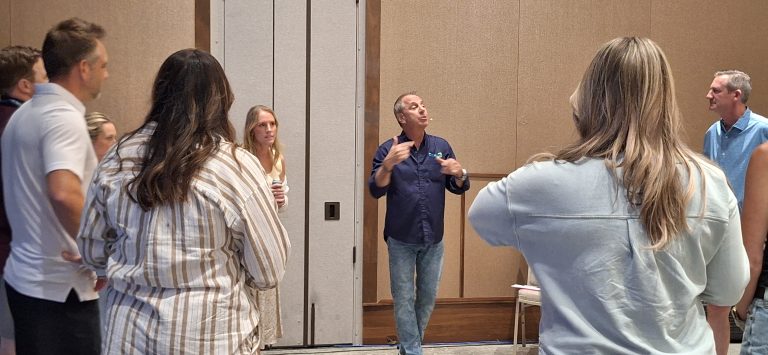
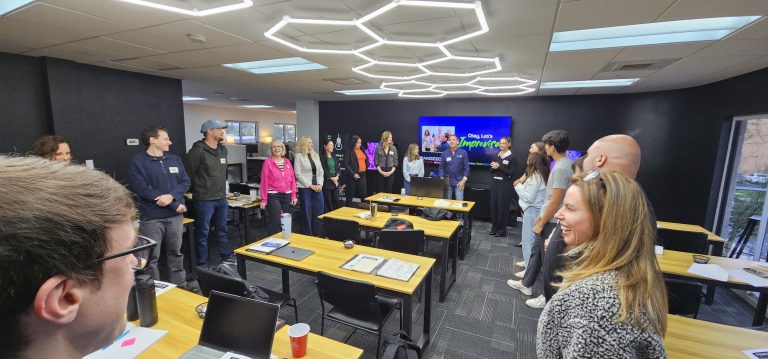
The strongest workshops make improvement observable. Participants should leave with behaviors they can use immediately, not just a stack of notes or a memorable afternoon. That is why active, business-relevant practice has an advantage over passive lectures. Leaders need opportunities to try a new response, receive useful feedback, and try again before the next high-stakes conversation puts the lesson to the test.
Story One: A Leadership Team Stops Talking Past One Another
A growing organization had capable department leaders, but meetings were becoming slow and frustrating. Operations wanted consistency. Sales wanted flexibility. Client-facing teams needed faster answers. Each leader came prepared to defend a position, and the group often left with unresolved issues disguised as agreement.
The problem was not a lack of intelligence or commitment. It was a communication pattern. People were listening for openings to make their own case rather than listening closely enough to build on what had already been said.
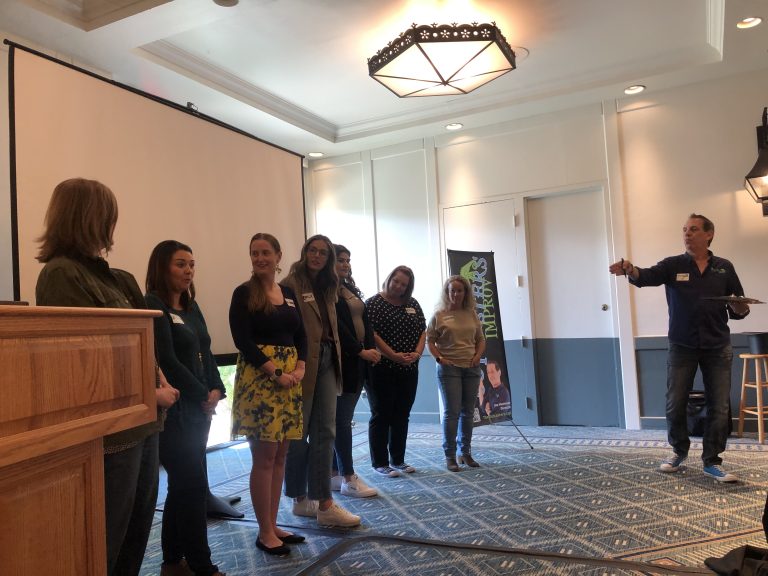
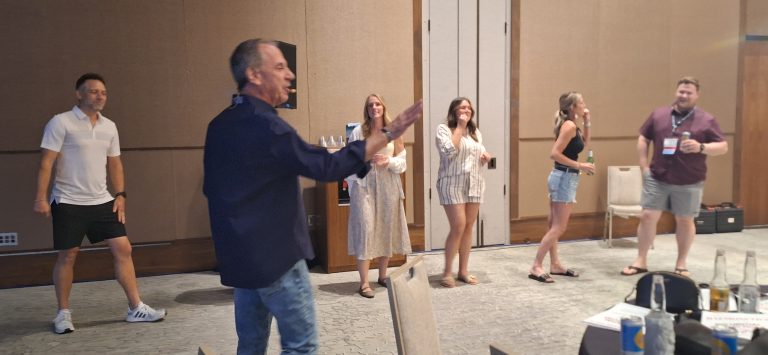
In an interactive leadership workshop, the group practiced concise listening, responding to incomplete information, and moving conversations toward a shared next step. The exercises were not about putting anyone on the spot for entertainment. They were structured around the daily leadership challenge of hearing a point of view without immediately treating it as an obstacle.
The early win showed up in the next round of leadership meetings. Instead of restating positions, leaders began naming what they had heard, identifying the decision in front of them, and separating facts from assumptions. Disagreement did not disappear, nor should it. The difference was that disagreement became productive.
For the executive sponsor, the value was clear: fewer circular discussions, cleaner accountability, and a leadership team that could address competing priorities without escalating every conflict.
Why this story matters
Many organizations treat cross-functional friction as a personality problem. Sometimes it is a process problem. Often, it is an interaction problem. When leaders practice listening and responding with more intention, they create room for better decisions without requiring every team member to think alike.
Story Two: A New Manager Finds Her Voice in the Room
A newly promoted manager knew her work. Her team respected her technical ability. Yet she hesitated in meetings with senior leaders, especially when conversations moved quickly or someone challenged her recommendation. Her updates became overly detailed, and the main point sometimes got lost.
This is a common transition for first-time managers and emerging leaders. Expertise earns the promotion, but leadership requires a different kind of presence. People look to the manager not only for information, but also for direction, calm, and judgment.
During a leadership development session, she practiced delivering short updates, responding to unexpected questions, and recovering when an answer was not immediately available. The goal was not to make her sound scripted. It was to help her communicate the essential point, acknowledge what she did not yet know, and state the next action with confidence.
A few weeks later, she led a project update for senior stakeholders. Midway through, the discussion shifted toward a concern outside her original presentation. Rather than rushing to fill the silence or retreating into detail, she clarified the concern, gave the information she had, and committed to a specific follow-up. Her director later pointed to the change: she looked prepared because she was present, not because she had predicted every question.
That is leadership presence in practical terms. It is not volume, polish, or pretending to have all the answers. It is the ability to stay useful when the conversation changes.
Story Three: A High-Value Presentation Becomes a Conversation
An executive team was preparing to present a strategic recommendation to a skeptical internal audience. The material was sound, but the first rehearsal had a familiar problem: too many slides, too much explanation, and too little room to respond to what decision-makers actually cared about.
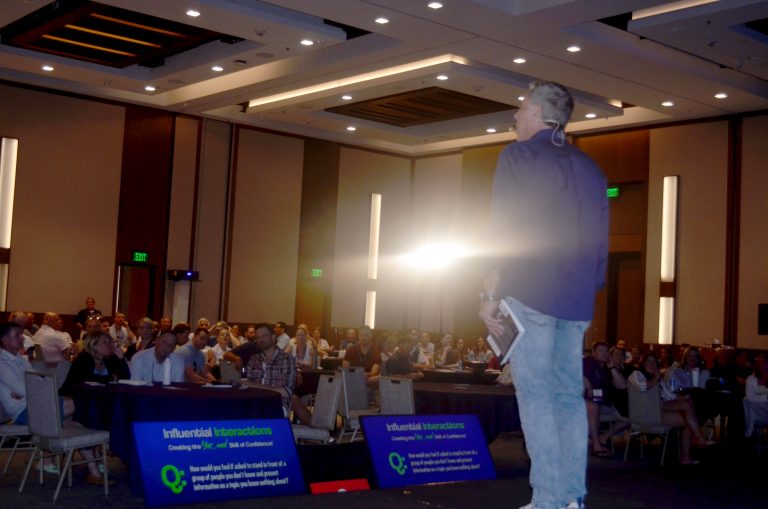
The workshop focus was presentation communication under pressure. Leaders worked on stating the recommendation early, using clear language, noticing audience reactions, and adjusting when a question exposed a gap in the message. They also practiced handling interruptions without becoming defensive or losing the thread.
The final presentation was shorter than the original version. It included fewer details upfront and more deliberate space for discussion. That can feel risky to leaders who equate preparation with saying everything they know. But the trade-off was worth it. The executives were able to address questions in real time, clarify the reasoning behind the recommendation, and keep the meeting focused on the decision.
The outcome was not simply a stronger presentation. The team improved its ability to influence because it treated communication as a two-way interaction rather than a performance delivered at an audience.
Better speaking is a leadership capability
Executives and department heads spend a significant part of their week presenting: to prospects, clients, boards, team members, and peers. A presentation workshop should not only help speakers appear more polished. It should help them make their message easier to understand, easier to trust, and easier to act on.
That means practicing what happens after the planned remarks: the tough question, the shifting agenda, the skeptical stakeholder, and the moment when a leader needs to choose clarity over jargon.
Story Four: A Team Learns to Lead During Change
A department was going through a major operational change. Leaders had been given information, but not every answer. Employees wanted certainty, and managers felt pressure to provide it. In response, some leaders overexplained. Others delayed communication until they had complete details. Neither approach built much confidence.
The workshop created a place to rehearse difficult conversations without the real-world cost of getting them wrong. Managers practiced explaining what was known, naming what was still being worked through, and giving their people a clear sense of what would happen next.
The change did not become easy. Good training cannot erase legitimate concerns or fix a flawed rollout. What it can do is prepare leaders to communicate honestly without spreading anxiety. Managers who had avoided questions began holding more direct conversations. Teams received more consistent updates. Employees did not always like every answer, but they had a better understanding of where things stood.
That is a meaningful success story because trust is often built in imperfect conditions. People watch whether leaders remain clear, accessible, and composed when certainty is limited.
How to Recognize a Workshop Worth Repeating
When evaluating leadership development, look beyond participant satisfaction scores. Positive energy matters, but it is only the beginning. Ask whether the experience produces evidence in the weeks that follow.
A useful success measure may include:
- More direct, focused communication in meetings and one-on-ones
- Faster progress from discussion to decision and ownership
- Greater confidence during presentations, customer conversations, and difficult feedback
- Stronger collaboration when priorities shift or information is incomplete
The right measures depend on the organization. A sales leadership team may focus on client conversations and influence. A healthcare or operations team may focus on clear handoffs and calm decision-making. A leadership offsite may need to rebuild trust across functions. Customization matters because the most useful practice reflects the conversations people actually need to handle.
It also helps to be realistic about what a single workshop can accomplish. One session can create momentum, shared language, and immediate behavioral change. Lasting improvement is more likely when leaders reinforce the skills in meetings, coaching conversations, and follow-up practice. Training is not a substitute for accountability, clear strategy, or sound management systems. It is a way to strengthen the human interactions that make those systems work.
The Common Thread in Leadership Workshop Success Stories
The best stories are not about leaders becoming someone else. They are about capable people becoming more effective in the moments that count. They listen with greater focus. They communicate the point sooner. They handle surprises without losing their footing. They help their teams move forward when the easy answer is not available.
For organizations that want leadership development to show up beyond the workshop room, that is the standard worth pursuing: not a temporary lift in morale, but better conversations when the stakes are real.

About the author
Joe Hammer is a Scottsdale-based corporate improv trainer who has worked with businesses since 1989. As founder of The Outcasters Improv Training Center and YourImprovCoach.com, he runs hands-on workshops for conferences, team building and communication skills nationwide. He is also the author of The Improv Edge.