What a Corporate Offsite Facilitator Should Deliver
The agenda looked strong: strategy updates, breakout discussions, a leadership dinner, and time away from daily interruptions. By midmorning, though, the same three people are carrying the conversation, a hard issue remains politely untouched, and the group has produced plenty of notes with little shared commitment. A corporate offsite facilitator changes that outcome by turning time out of the office into visible, useful behavior change.
The job is not to fill a room with activity or keep everyone entertained between presentations. It is to create the conditions for people to listen more closely, speak more clearly, solve problems together, and make decisions they will actually carry back to work. That takes more than a polished slide deck. It takes structure, judgment, and the ability to respond productively when the room gets quiet, tense, skeptical, or unexpectedly energized.
What a Corporate Offsite Facilitator Actually Does
An offsite is often asked to accomplish several things at once. Leaders may need alignment around a new direction. A department may need to repair strained working relationships. A newly formed team may need to establish trust before a high-stakes project begins. Event planners may simply be asked to make the day more engaging than another series of presentations.
A capable facilitator helps the organization identify which of those outcomes matters most. Without that clarity, an offsite can become a pleasant interruption rather than a meaningful business event. People enjoy the experience, then return to the same communication habits on Monday.
The best facilitators design participation around the real moments that slow teams down: unclear handoffs, meetings where people talk past one another, hesitant decision-making, difficult customer conversations, shifting priorities, and leaders who need to stay composed when plans change. Participants do not just hear advice about these situations. They practice responding differently while the stakes are low enough to learn and high enough to feel relevant.
That distinction matters. A speaker can inspire a room. A trainer can teach a model. A corporate offsite facilitator must also move the group from insight to interaction. The group needs to experience what better communication feels like, notice the habits that get in the way, and leave with practical language and stronger awareness.
The Difference Between Activity and Progress
There is nothing wrong with a fun offsite. Shared laughter can lower defenses, help people connect, and make a full agenda feel lighter. But fun alone is not a business outcome.
An activity earns its place when it develops a workplace capability. Does it require participants to pay attention to what is actually being said? Does it expose the cost of assumptions? Does it build confidence in responding when the answer is not obvious? Does it help managers guide a conversation without controlling every word?
If the answer is no, the activity may still be enjoyable, but it should not take center stage in a meeting intended to improve team performance. Leaders and L&D professionals are right to expect more than entertainment. They need a program that connects engagement to clearer collaboration, stronger leadership presence, and better execution.
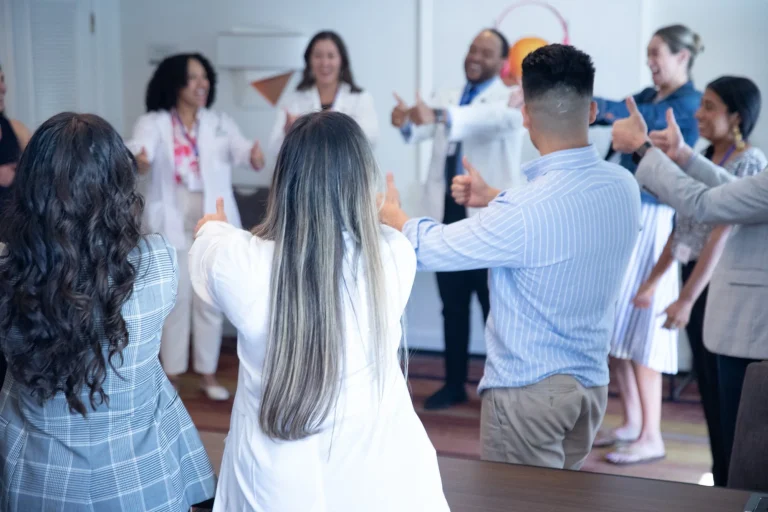
This is where improvisation-based business training can be especially effective. Used well, it is not about teaching professionals to perform comedy. It is a structured way to help people practice active listening, quick thinking, constructive responses, and confident communication under pressure. The energy of the experience helps the learning stick, while the business context keeps it grounded.
Start With the Business Problem, Not the Exercise
A strong offsite begins before participants enter the room. The facilitator should ask pointed questions about the audience, the pressure points, and the desired change. A sales leadership team preparing for a volatile quarter needs a different experience than a cross-functional group struggling with handoffs or an executive team trying to rebuild candor.
This discovery work should reveal what is happening now, not just what leaders wish were happening. For example, “improve communication” is too broad to guide a meaningful session. “Get project leads to surface risks earlier and resolve disagreement without escalation” is a workable objective. So is “help managers communicate change without sounding scripted or uncertain.”
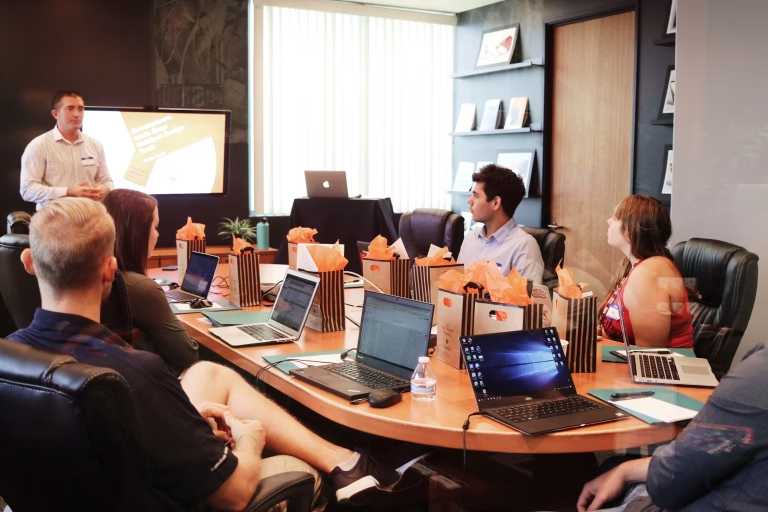
The format should follow the objective. A conference keynote may need to create energy, offer memorable tools, and give hundreds of people a common language. A leadership offsite may need more room for practice, reflection, and direct application to current challenges. A department workshop may benefit from smaller-group interaction where every participant has to contribute.
Customization does not mean building a completely new program from scratch every time. It means selecting and shaping the right learning experiences around the team’s reality. The facilitator should understand the difference.
Questions Worth Asking Before You Hire
Before selecting a facilitator, ask how they will connect the session to your specific goals, not merely how they will make it engaging. Ask what participants will practice, how they will be included, and what support the facilitator needs from internal leaders beforehand.
Also ask how they handle resistance. Some employees arrive at an offsite ready to participate. Others arrive protecting a packed inbox, wondering why they were pulled away from work, or wary of anything that sounds like forced team-building. An experienced facilitator does not shame that reaction or try to overpower it. They establish relevance quickly, create a professional environment, and give people a clear reason to lean in.
Look for Facilitation That Can Read the Room
A detailed agenda is valuable. Treating it as unchangeable is not. The room may need more time on an issue that surfaces unexpectedly. A group may move faster than expected and be ready for deeper application. Senior leaders may unintentionally dominate a discussion that requires broader participation.
A facilitator needs the confidence to adjust without losing the purpose of the session. That does not mean abandoning structure at the first surprise. It means knowing which elements are essential, which can be shortened, and how to keep the group focused when the conversation becomes messy.
This skill is particularly valuable during periods of change. Teams are often asked to make decisions with incomplete information, communicate through uncertainty, and maintain momentum while priorities shift. An offsite that gives people a chance to rehearse those conditions can be far more useful than one that pretends work is predictable.
At Your Improv Coach, that practical focus is central to the work. Joe Hammer brings corporate experience, leadership-development expertise, and interactive training methods to help professionals communicate with more confidence when real conversations do not go according to plan.
Make Participation Safe Enough to Be Useful
People cannot build communication skills by watching other people communicate. They need opportunities to try, miss, adjust, and try again. Yet participation should never feel like a public test of personality or performance ability.
The right facilitator creates an environment where people can take manageable risks without being embarrassed. That starts with clear framing. Participants need to know why an exercise matters, what capability it is meant to strengthen, and how it connects to their work. It also requires thoughtful pacing. Asking a quiet group to perform immediately in front of peers may create anxiety, while beginning with low-pressure pair or small-group practice can build confidence and momentum.
Psychological safety does not mean avoiding challenge. It means challenging people in a way that supports learning. A productive offsite can surface tough truths about silos, weak listening, unclear leadership, or avoidance of conflict. The facilitator’s role is to keep that conversation constructive, specific, and forward-looking.
Build the Bridge Back to Monday
The final test of an offsite is not whether participants rated it highly before leaving the venue. It is whether the team behaves differently in the next customer call, project meeting, presentation, or difficult conversation.
That is why application cannot be an afterthought. Throughout the session, participants should connect the work to actual situations they face. A manager may identify how to invite more input before making a decision. A project team may recognize how quickly it jumps to solutions before confirming the problem. A newer employee may gain language for contributing an idea without waiting for perfect certainty.
Leaders should reinforce those behaviors after the event. They can reference the shared tools in meetings, recognize employees who model stronger collaboration, and create follow-up moments where teams discuss what changed. A single offsite can create momentum, but reinforcement determines whether that momentum becomes a habit.
Choose for Outcomes, Not Just Energy
Energy matters. A room full of distracted people will not learn much, no matter how smart the content is. But energy without relevance fades fast.
When choosing a corporate offsite facilitator, look for someone who can create engagement and connect it directly to business performance. They should be able to command a room without making the event about themselves, encourage participation without forcing it, and use active learning without losing professional credibility.
The most valuable offsites leave people with more than a good story about the event. They leave with the confidence to listen better, adapt faster, contribute more clearly, and lead the next important interaction with purpose. Contact us to put Joe Hammer’s Influential Interactions Training to work for your company.

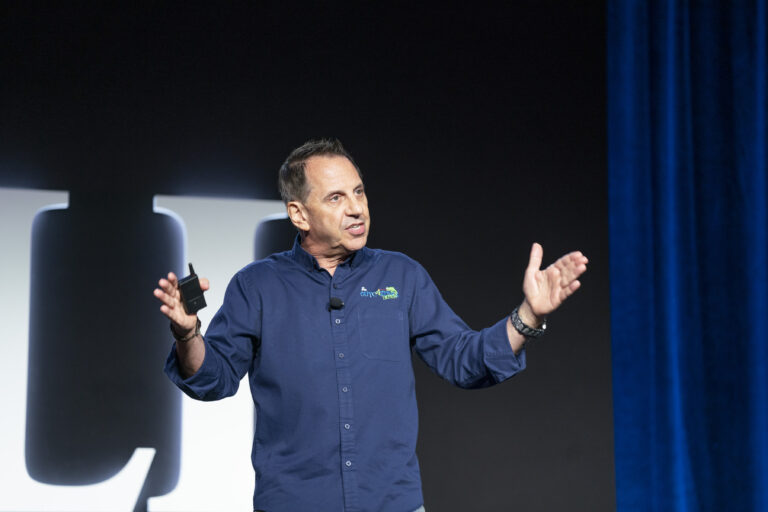
As founder of The Outcasters Improv Training Center and YourImprovCoach.com, Joe Hammer has spent years helping forward-thinking organizations build real skills in listening, collaboration, and adaptability under pressure through interactive, improv-based training. His engagements often open with a high-energy presentation on using principles of improv in effective business communication, a great way to set the tone at a conference, offsite, or leadership summit, before teams move into hands-on training.