Who Needs Communication Coaching at Work?
A meeting can go off track in less than 30 seconds. A client asks an unexpected question, two leaders disagree, or a project update lands with more confusion than clarity. That is when organizations start asking who needs communication coaching. The answer is rarely just the person who talks the most or the employee who seems nervous presenting. Communication coaching helps anyone whose results depend on getting people aligned, heard, and moving forward.
It is not a remedial program for “bad communicators.” Strong organizations use coaching to build a shared ability to listen closely, speak clearly, adapt quickly, and stay productive when the conversation gets difficult. Those skills matter in a sales call, a leadership meeting, a feedback conversation, a customer escalation, and a conference room full of smart people who are not yet on the same page.
Who Needs Communication Coaching Most?
Communication coaching delivers the greatest return when people have to influence others, make decisions with incomplete information, or work across competing priorities. That includes leaders, managers, customer-facing teams, technical experts, and emerging talent. The common thread is not job title. It is the cost of misunderstood messages, missed signals, delayed decisions, and low-confidence conversations.
New managers learning to lead through conversation
A new manager may be excellent at the work and still struggle with the shift from doing to leading. They now need to set expectations, give feedback, address tension, and create enough clarity for others to act without constant direction. Many default to overexplaining, avoiding hard conversations, or stepping in to solve every problem themselves.
Coaching gives newer leaders a place to practice concise direction, active listening, and calm responses when a team member pushes back. The goal is not to make them sound scripted. It is to help them lead with confidence while staying genuinely responsive to the people in front of them.
Experienced leaders facing higher stakes
Senior leaders are often skilled communicators, but the stakes change as their scope grows. A casual comment can shape morale. An unclear priority can send multiple departments in different directions. A rushed response during change can create unnecessary anxiety.
Leadership communication coaching is especially valuable when executives need to communicate a major shift, rebuild trust after a difficult period, guide a divided team, or create stronger alignment across functions. At this level, presence matters as much as content. People watch whether a leader listens, adjusts, and stays composed when the room becomes unpredictable.
Sales and client-facing professionals
Salespeople, account managers, consultants, and customer success teams live in real-time conversations. They cannot control every objection, question, or change in direction. What they can control is how well they hear what the client actually means and how effectively they respond.
Coaching can help these professionals move beyond a fixed pitch. They learn to ask better follow-up questions, communicate value without flooding the customer with information, and keep a conversation productive when the buyer is uncertain or skeptical. That is useful for anyone responsible for retention, revenue, partnerships, or service recovery.
Technical experts who need their ideas understood
Subject-matter experts are often asked to explain complex information to people who do not share their vocabulary, background, or priorities. The challenge is not a lack of expertise. It is translating that expertise into a message that helps others make a decision.
Engineers, analysts, finance professionals, IT teams, healthcare leaders, and operations specialists can benefit when their work regularly crosses departments. Communication coaching helps them lead with the point, organize information for the audience, and handle questions without becoming defensive or overly detailed. Precision still matters. So does being understood.
Teams stuck in unproductive patterns
Sometimes the need is not one person. It is the way a group communicates together. Meetings may be polite but unproductive. People may repeat the same points, hold back concerns until after the meeting, or talk past one another when pressure rises. Remote and hybrid work can magnify these habits because fewer informal conversations exist to repair misunderstandings.
Team communication coaching creates structured practice around the behaviors that make collaboration work: listening for what was actually said, building on useful ideas, stating concerns directly, and responding constructively when plans change. It is a far better use of team-building time than a one-off activity that creates a few laughs but never changes how the team operates on Monday.
Signs Your Organization Needs Communication Coaching
Most organizations do not wake up and announce that communication is the problem. They notice the symptoms first. Projects slow down because decisions must be revisited. Employees leave meetings unclear on ownership. Leaders receive different versions of the same issue from different departments. Customer conversations become tense because expectations were never clearly established.
Watch for these four patterns:
- Meetings end without clear decisions, priorities, or next steps.
- Feedback is delayed, softened beyond usefulness, or delivered only when frustration has built up.
- Teams struggle to respond when a client, leader, or project changes direction unexpectedly.
- Capable employees avoid speaking up, presenting ideas, or addressing conflict directly.
One isolated incident does not necessarily call for a training program. Every workplace has a rough meeting or a misread email. The stronger signal is repetition. If the same breakdown keeps appearing across projects, leaders, or departments, the organization likely has a skill gap worth addressing.
Communication Coaching Is Not Just for Struggling Speakers
This is where many companies miss an opportunity. They send someone to communication coaching after a presentation goes poorly, a manager receives difficult feedback, or a customer complaint reaches the executive team. That response can help, but it frames coaching as correction rather than development.
The best time to strengthen communication is before the pressure point. High-potential employees need tools before they take on leadership roles. A team preparing for a major change needs practice before the announcement. An executive group planning an offsite needs more than polished slides if the real objective is candid discussion and better decisions.
Coaching also works best when it is connected to a real business outcome. “Help people communicate better” is too broad. “Help managers handle performance conversations,” “help project leads align cross-functional partners,” or “help client teams respond well under pressure” gives the learning a useful target. The practice becomes more relevant, and leaders can better recognize whether behavior is changing.
What Effective Communication Coaching Looks Like
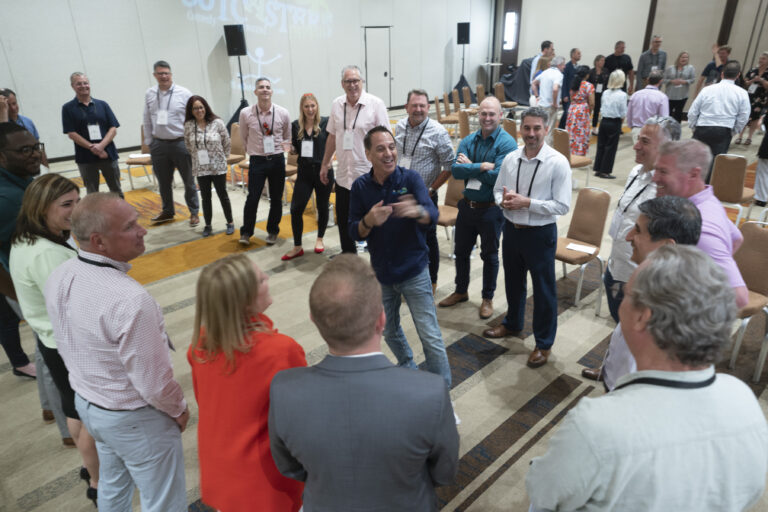
A lecture can introduce useful concepts, but communication is a performance skill in the business sense: people have to do it in real time. That means effective coaching includes active practice, immediate feedback, and situations that resemble the workplace conversations participants actually face.
The most useful programs do not turn employees into performers or ask them to memorize a personality style. They help people become more present, flexible, and intentional. Participants practice communicating when they do not have a perfect answer prepared, when another person disagrees, and when the stakes feel real. That is where confidence becomes credible.
For an individual leader, coaching may focus on a specific communication challenge and offer highly targeted feedback. For a department or company, a workshop can establish common language and shared habits. Conference keynotes can create energy and momentum, but they are most effective when the organization also gives people a way to apply the lessons afterward. The right format depends on the goal, the size of the group, and whether the business needs an immediate reset or lasting skill development.
Programs such as those from Your Improv Coach use interactive, business-focused practice to make communication skills memorable and usable. The emphasis stays where it belongs: clearer conversations, stronger collaboration, and better responses when the plan changes.
Choosing the Right Moment to Invest
Communication coaching is particularly timely during growth, restructuring, leadership transitions, mergers, new system rollouts, or periods of high customer demand. These moments create more handoffs, more ambiguity, and more chances for people to make assumptions. Better communication will not remove every challenge, but it can prevent normal business pressure from turning into avoidable friction.
It also helps to consider who must carry the message after training ends. If leaders want teams to be more direct, curious, and adaptable, managers need to model those behaviors consistently. Employees notice quickly when an organization asks for open communication but rewards silence, speed over listening, or agreement over useful disagreement.
The practical question is not whether someone is naturally outgoing. Quiet professionals, analytical thinkers, seasoned executives, and front-line employees all need communication skills when their work relies on other people. Start with the conversations that currently create the most drag, then give people a chance to practice a better response before the next high-stakes moment arrives.

As founder of The Outcasters Improv Training Center and YourImprovCoach.com, Joe Hammer has spent years helping forward-thinking organizations build real skills in listening, collaboration, and adaptability under pressure through interactive, improv-based training. His engagements often open with a high-energy presentation on using principles of improv in effective business communication, a great way to set the tone at a conference, offsite, or leadership summit, before teams move into hands-on training.