Workshop Versus Keynote Formats: Which Works?
A packed ballroom can applaud a powerful idea and still leave with the same meeting habits they had that morning. A smaller group can spend two hours practicing better responses, clearer messages, and stronger collaboration – then carry those behaviors into Monday’s conversations.
That is the real decision behind workshop versus keynote formats. It is not simply a choice between a speaker and a training session. It is a choice about what you need people to remember, practice, and do differently after the event is over.
For HR leaders, department heads, and event planners, both formats can create real value. The best choice depends on the room, the business objective, the available time, and whether your priority is shared momentum or measurable behavior change.
Workshop Versus Keynote Formats: Start With the Outcome
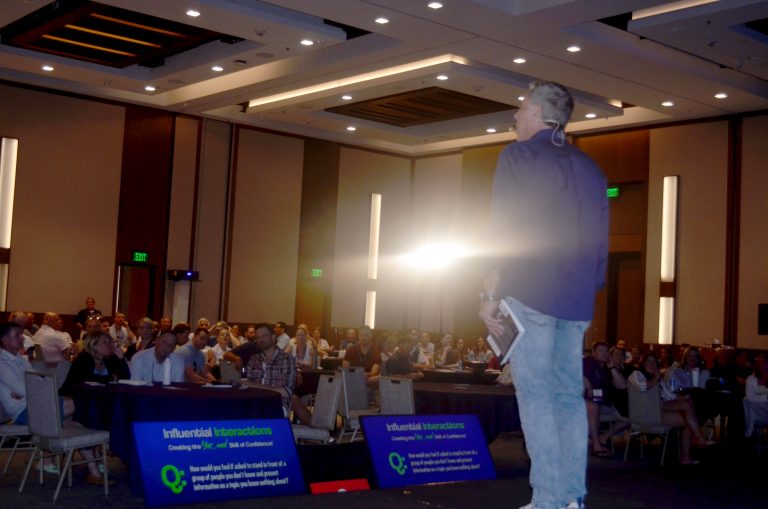
A keynote is designed to move a large audience. It gives people a shared language, a fresh perspective, and a clear burst of energy around a timely business issue. When the message is relevant and the delivery is engaging, a keynote can reset the tone of a conference, leadership summit, sales meeting, or company offsite.
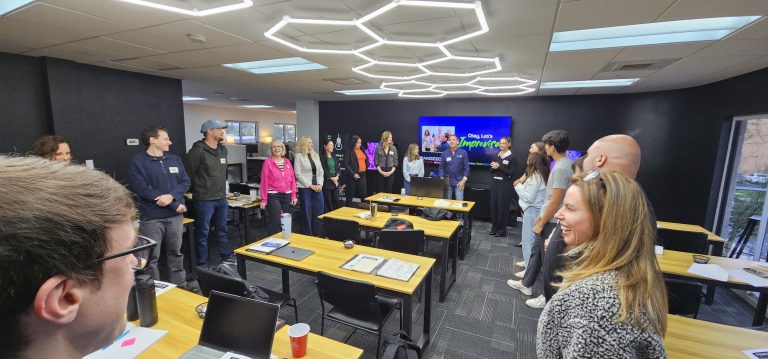
A workshop is designed to build capability. Participants do not just hear about clear communication, active listening, adaptability, presentation confidence, or collaborative problem solving. They work on those skills in real time. They try an approach, see where it breaks down, adjust, and practice again.
That distinction matters. Inspiration can create willingness. Practice creates readiness.
If your goal is to open an event with momentum, reinforce a strategic theme, or give hundreds of attendees a common point of reference, a keynote may be the right fit. If your goal is for managers to lead difficult conversations more effectively or for teams to communicate better under pressure, a workshop usually delivers more lasting traction.
Neither format is automatically better. A keynote reaches farther. A workshop goes deeper.
When a Keynote Is the Smart Choice
Keynotes work best when the audience is large, the schedule is tight, or the organization needs a unifying message. At a conference, people may come from different departments, locations, or levels of seniority. They need a compelling experience that applies broadly without requiring extensive small-group coaching.
A strong business keynote does more than entertain. It gives attendees language they can use. It makes familiar workplace challenges feel visible and solvable. It can challenge leaders to reconsider how they show up in presentations, customer conversations, internal meetings, and moments when plans change.
For example, an organization preparing for a major change may need its people to hear a direct message about responding with confidence instead of retreating into uncertainty. A sales kickoff may need to reinforce the value of listening closely, thinking on one’s feet, and communicating with greater presence. A leadership event may need an energetic session that reminds experienced managers that their teams take cues from how they handle pressure.
In those moments, a keynote creates lift. It can get people talking at lunch, repeating a useful phrase, and approaching the rest of the event with more focus.
The trade-off is simple: attendees have less time to apply the ideas in the room. Even an excellent keynote cannot give every person feedback, repetitions, or a chance to work through the communication habits that get in their way.
When a Workshop Creates Better Results
Workshops earn their place when improvement requires more than awareness. Most people already know they should listen well, speak clearly, collaborate across functions, and stay composed when circumstances shift. Knowing is not the same as being able to do it when the conversation gets tense or the stakes rise.
That is where experiential training stands apart. A well-designed workshop puts participants into practical, low-risk exercises that reveal how they communicate, respond, and collaborate. The room stays active. People notice the difference between waiting to speak and truly listening. They experience how quickly a team can lose momentum when individuals defend their own ideas rather than build on the information in front of them.
Then they get another chance.
That repeat-and-adjust process is especially valuable for teams dealing with recurring friction. Perhaps managers need to deliver clearer direction. Perhaps cross-functional groups need to make decisions without talking in circles. Perhaps rising leaders need more confidence presenting to executives, prospects, or clients. A workshop lets the training focus on the actual capability gap instead of offering a broad message everyone interprets differently.
The format also gives leaders a clearer view of participation. Who speaks with confidence? Who hesitates? Where does the team lose clarity? What happens when people are asked to make a decision with incomplete information? Those observations can be more useful than a post-event survey full of positive comments.
The Audience Size Question Is Real
Audience size often drives the workshop-versus-keynote decision, but it should not drive it alone.
A keynote can engage a large room while still feeling personal, especially when the speaker uses relevant business examples, humor, and purposeful audience interaction. It is efficient for conferences and all-company gatherings because everyone receives the same core message at the same time.
Workshops need enough room, time, and facilitation attention for people to participate fully. That does not mean every workshop must be tiny. It does mean the design has to respect the group size. A session for 20 leaders can allow for intensive practice and coaching. A session for 100 participants may use structured group activities that keep everyone involved while reinforcing the same communication objectives.
Do not assume a large audience must settle for passive learning. The right facilitator can make a larger session active. At the same time, do not label something a workshop simply because the agenda includes a few audience questions. If participants are not practicing, receiving direction, and connecting the activity to their work, it is likely a keynote with interaction – which can still be valuable, just different.
Consider the Time You Actually Have
A 45-minute keynote and a half-day workshop should not be asked to accomplish the same thing.
In a keynote, time is best spent creating clarity and urgency. The speaker can introduce a business-relevant framework, demonstrate how communication choices affect outcomes, and send attendees back to their work with stronger awareness and a memorable challenge.
In a workshop, time supports the learning cycle: introduce a skill, put it into action, reflect on what happened, and improve the next attempt. Rushing that process weakens the value. A short interactive session can absolutely energize a team, but deeper behavior change benefits from time to practice the situations that matter most.
This is why event planners should resist the urge to turn every training objective into a 30-minute agenda item. If the organization wants stronger presentation ability, better collaboration, or more confident leadership communication, give participants enough time to use the skill, not just hear its definition.
Presentation Skills Are a Useful Test Case
Consider executive and manager presentations. A keynote can show leaders why presence, audience awareness, and flexibility matter when presenting. It can offer an immediate jolt of confidence and make people more aware of habits that limit their influence.
A workshop can take the next step. Participants can practice opening a presentation with greater clarity, adapting when questions interrupt the plan, responding to skeptical stakeholders, and communicating a message without hiding behind crowded slides. The work becomes specific because the feedback is specific.
That is the difference between saying, “Be more confident,” and helping someone find a more confident way to communicate. One is advice. The other is development.
For organizations with sales teams, client-facing leaders, or executives who regularly present to prospects and internal decision-makers, this distinction is especially important. The quality of the presentation often depends on what happens after the plan changes. Workshops create room to rehearse that reality.
A Hybrid Format Can Solve the Right Problem
Sometimes the answer is not workshop or keynote. It is both, used with intention.
A keynote can establish the energy and common language for a broad audience. Follow-up workshops can then help leaders, teams, or selected groups apply the message to their own communication challenges. This approach works particularly well for organizations that want a conference message to continue after the closing session.
The sequence matters. The keynote creates attention. The workshop turns attention into action.
Your Improv Coach designs business-focused keynotes and interactive programs around the outcomes an organization wants to improve, from leadership presence and communication to teamwork, adaptability, and confident presenting. The point is never to make employees perform comedy. The point is to help professionals handle influential interactions with more skill when the pressure is real.
Ask One Better Planning Question
Instead of asking, “Should we book a keynote or a workshop?” ask this: “What should people be able to do differently the next time the stakes are high?”
If the answer is that they should leave energized, aligned, and ready to think differently, choose a keynote that earns their attention. If the answer is that they need to communicate, lead, present, or collaborate more effectively in live situations, create space for practice.
The best format is the one that respects your audience’s time and gives them something useful to carry into the next conversation that matters.

About the author
Joe Hammer is a Scottsdale-based corporate improv trainer who has worked with businesses since 1989. As founder of The Outcasters Improv Training Center and YourImprovCoach.com, he runs hands-on workshops for conferences, team building and communication skills nationwide. He is also the author of The Improv Edge.